Buying a smartphone is fun, but common mistakes can happen. You may feel confused by all the choices available. It’s important to think about what really matters. You need a phone that works for you and fits your budget. If you avoid these common mistakes, you can find the best smartphone for you!
Lack of Research
When you want to buy a smartphone, not doing research can cause regrets. You might think you know what you want. But if you don’t look deeper, you could miss important details.
Key Specifications
Knowing the specifications of a smartphone is very important. Here are some key specs you should always check:
| Specification | Importance |
|---|---|
| Software Support | Important for security and performance; check how long the company gives updates. |
| Storage Capacity | Aim for at least 128 GB or a microSD slot for lots of data storage. |
| Misinterpreting Specifications | Higher numbers don’t always mean better; trust real-world tests and reviews. |
If you ignore these details, you might get a phone that doesn’t fit your needs. For example, poor software support can cause security problems. You may also find your new smartphone has trouble with simple tasks due to bad specifications.
Model Comparisons
Comparing different smartphone models is another area where many buyers fail. You might have a favorite brand, but it’s important to look beyond that. Consumer Reports studied data from over 128,000 smartphones. They found that Apple and Samsung are best for reliability and user happiness. For example, 64% of iPhone users say they are very happy with their phone. Meanwhile, 58% of Samsung users feel the same way.
Remember, sticking to one brand can cloud your judgment. While it’s easy to choose what you know, looking at other options can show you better choices that fit your needs.
When you compare models, think about user happiness and reliability. This helps you make a smart choice instead of just trusting the brand name.
By taking time to research key specifications and compare models, you’ll find a smartphone that really fits your lifestyle.
Ignoring Battery Life

When you buy a smartphone, many people forget about battery life. You might think a higher mAh (milliampere-hour) number means better performance. But real-life use shows a different picture.
mAh vs. Real-World Use
Battery size is important, but it doesn’t tell everything. Here’s a quick look at how different sizes work:
| Battery Capacity (mAh) | Expected Performance | Factors Affecting Efficiency |
|---|---|---|
| 4,500 | Good all-day use | Processor, Display Type, Software Optimization |
| 5,000 | Doesn’t always mean better use | Bad optimization can shorten life |
Smartphones made in 2019 usually last over 850 full charge/discharge cycles before their capacity drops below 80%. This means you can expect battery life of two to three years with normal use. So, while a high mAh number is nice, it’s important to think about how the phone works in daily life.
User Reviews
User reviews can give helpful information about battery life. Many users say that even a little heat can speed up battery aging, sometimes doubling the rate. This shows how important it is to manage temperature to keep your battery healthy.
New battery technology, like silicon-carbon batteries, promises to improve battery life and charging speed a lot. Users also find that habits like not charging overnight and keeping battery levels between 20% and 80% can help the battery last longer.
Focusing Solely on Price
When you buy a smartphone, it’s easy to just look at the price. But this can lead to bad choices. You might think you’re saving money, but you could miss important features and good performance over time.
Long-term Performance
Cheap smartphones can seem like great deals, but they often have downsides. Here are some things to think about:
- Almost 40% of smartphones sold worldwide cost less than $300.
- Many budget phones now have cool features like 5G and better cameras.
- A lot of people, about 68%, prefer cheaper phones that work for them instead of expensive ones.
While these phones can be nice, they might not last long. You may find that a pricier smartphone works better over time. This includes getting software updates and being more durable.
Essential Features
If you only think about price, you might miss key features that make your phone better. People buying mid-range phones usually care about:
- Battery life
- Storage space
- Performance
- Camera quality
These features really matter when choosing a phone. Many users get upset with short battery life and slow speeds. If you pick a phone just because it’s cheap, you might end up with old software. This can make your phone less safe from security problems.
Remember, a smartphone is an investment. Think about how it will help you in the future. Focus on important features instead of just the price to get a phone that fits your needs.
By knowing how price and important features connect, you can make a smarter choice. Don’t let a low price make you forget what really counts in a smartphone.
Overlooking Internal Storage
When you buy a smartphone, remember to check internal storage. Many people forget this important part, but it can change your experience a lot.
Modern App Requirements
Modern apps need a lot of space. Here’s what you should know about their storage needs:
- Most apps need between 40MB to 1GB of storage.
- For a few important apps and games, about 5GB is usually enough.
- If you want to download 200+ apps and big games, aim for at least 50GB of storage.
Apps keep changing, so you’ll need enough space for updates and new features.
Media Storage Needs
How you use media also affects how much storage you need. Think about these groups:
- Light users (64-128GB): You mostly make calls, send texts, and use simple apps.
- Moderate users (256GB): This size gives you space for photos, apps, and videos.
- Heavy users (512GB-1TB): Great for recording videos, downloading shows, and keeping large media collections.
For example, a 128GB smartphone can hold about:
- 900 photos
- 60 minutes of UHD video
- 1,000 songs
- 100+ apps and games
- 20 movies
If you don’t have enough storage, you might run into problems. You could have trouble installing new apps, which limits what your phone can do. You may also find it hard to save important media files, stopping you from capturing special moments. Plus, not enough storage can slow down your device, making it frustrating to use.
Remember, picking the right amount of internal storage is very important. It makes sure your smartphone works for you now and in the future.
Misjudging Camera Quality
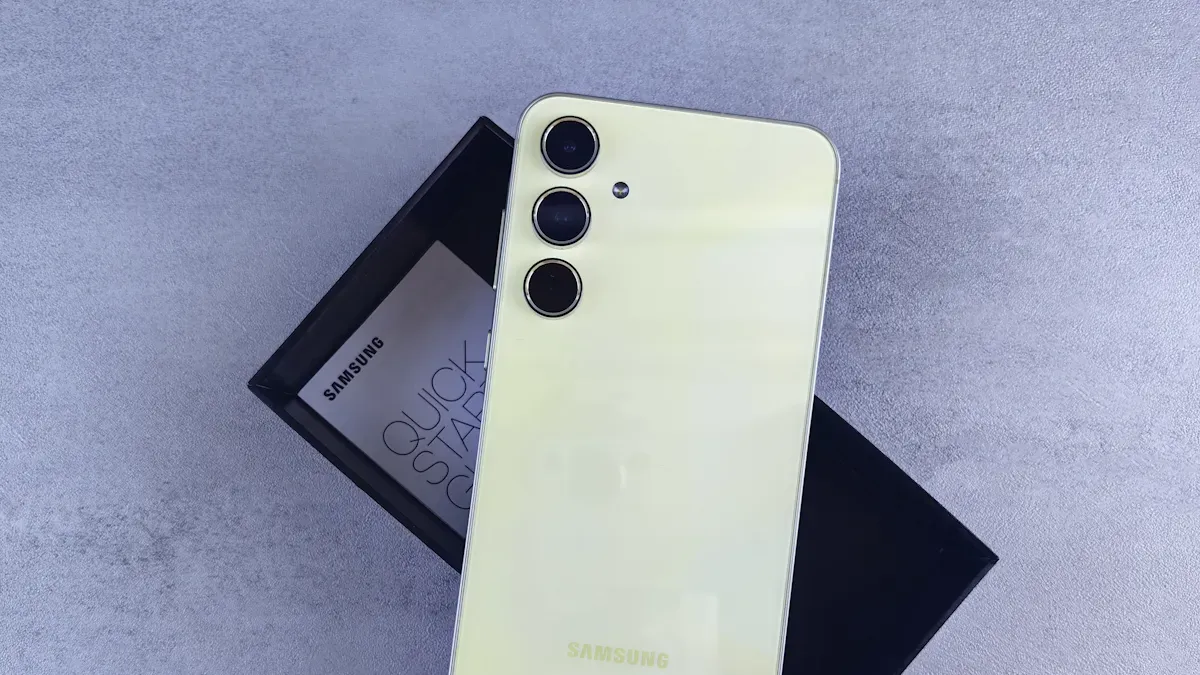
When you think about smartphone cameras, megapixels often get a lot of attention. But camera quality is about more than just that number.
Other Quality Factors
Many things help decide how good your photos will be. Here are some important factors to think about:
- Sensor Size: A bigger sensor captures more light. This helps reduce noise in low light. It means clearer and sharper pictures.
- Lens Quality: The lens affects sharpness and color. Newer models usually have better lenses. They give improved contrast and clarity, even with the same megapixel count as older models.
- File Type: The way your photos are saved can change quality. Some formats keep more detail than others.
So, when you’re looking for great camera phones, remember to check more than just the megapixels.
Real-World Photography
Real-world tests can show how a smartphone camera works in daily life. Here’s what to keep in mind:
- Real-life use often shows different results than what companies say. A phone with lower specs might work better in real life.
- Things like dynamic range and sensitivity can change based on light and conditions. This makes personal experiences important.
- How easy it is to use the camera matters too. This can change your overall experience.
- Using the camera over time helps you see its strengths and weaknesses. You’ll notice how it works in different situations.
By thinking about these points, you can make a smarter choice when picking a smartphone. Don’t just look at the numbers; consider how the camera will work in your everyday life.
Brand Loyalty Bias
When you look for a smartphone, brand loyalty can affect your choices. You might like a certain brand because of past experiences or ads. But it’s important to think about what you really need first.
Evaluating Practical Needs
Before you pick a brand, ask yourself what you actually need. Think about these things:
- Performance: Does the phone work well for your daily tasks?
- Camera Quality: Will it take nice photos for your social media?
- Battery Life: Can it last all day during your busy schedule?
By focusing on these needs, you can make a better choice.
Objective Comparisons
Objective comparisons help you look past brand loyalty. A recent study found that 85% of people trust online reviews just like personal recommendations. This means you should check what others say about different brands. Look at this table that shows key factors that affect smartphone choices:
| Factor | Percentage of Consumers | Description |
|---|---|---|
| Innovation | 65% | Main reason for brand loyalty due to new technology. |
| Brand Reputation | 60% | Important for decisions based on trust and status. |
| Product Specifications | 70% | People compare features like camera quality and battery life. |
| Trust in Online Reviews | 85% | People value online reviews as much as personal advice. |
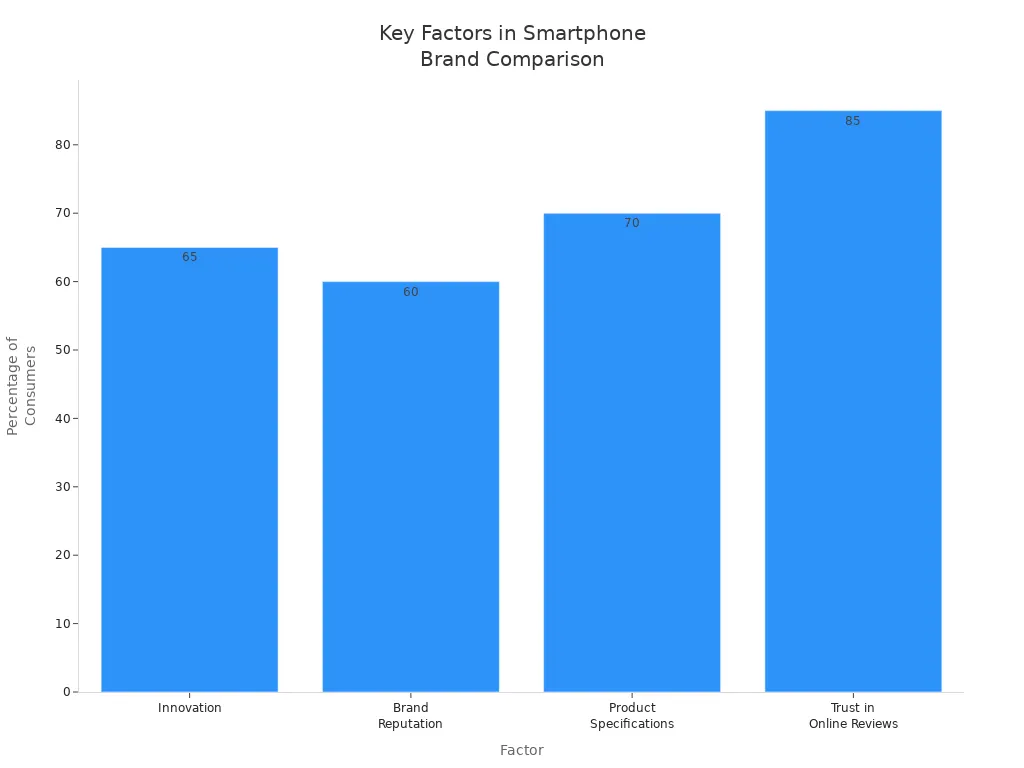
To avoid brand bias, be aware of mental traps like social proof and emotional ties. Knowing that decisions often happen quickly can help you slow down and think carefully.
By checking your needs and making objective comparisons, you can find a smartphone that really fits your lifestyle, instead of just sticking to a brand you know.
Not Setting a Budget
When you buy a smartphone, not having a budget can make you spend too much. You might get excited by cool features and forget your money limits. Studies show that having a clear budget helps you make better choices. It helps you see what you can afford and what quality to expect. This understanding lowers the chances of overspending. It makes it easier to stick to your money goals.
Avoiding Overspending
To avoid spending too much, start by deciding how much you can spend. Here are some tips to help you stay on track:
- Set a Maximum Price: Pick a limit before you start shopping. This keeps you focused and stops impulse buys.
- Research Prices: Look at different stores to find the best deals. Prices can change a lot, so don’t just take the first option.
- Consider Financing Options: If you need to pay in parts, make sure you understand the terms. Look for low-interest plans that fit your budget.
Financial Considerations
Before you buy, think about these money factors:
| Consideration | Description |
|---|---|
| Budget | Set a budget that fits your needs; some phones give great value at lower prices. |
| Ecosystem Compatibility | Think about how the new phone works with devices and services you already use. |
| Storage Needs | Check your storage needs based on your usage, like apps, photos, and files. |
| Connectivity and Network | Find out if you need a phone that supports 4G, 5G, or 6G based on your area’s coverage. |
| Bonus Features | Look at extra features like water resistance, durability, and security options. |
By keeping these things in mind, you can make a smart purchase that fits your lifestyle and budget. Remember, a little planning helps a lot. Setting a budget not only helps you avoid overspending but also makes sure you get the best value for your money.
Buying a smartphone is fun, but you should avoid mistakes to make a good choice. Here are some important things to think about:
- Forgetting your real needs can waste your money.
- Not paying attention to software updates can hurt security and performance.
- Getting tricked by flashy features might not improve your experience.
- Ignoring battery life and charging speed can make you upset.
Take your time and research well before buying. By knowing these common mistakes, you can find a smartphone that really fits your life and needs. Remember, planning ahead helps a lot!