Taking care of your laptop is crucial for its longevity. Regular maintenance can significantly enhance its performance and lifespan. Many users worry about slow speeds, battery issues, and overall wear and tear. To keep your laptop running smoothly, consider these key areas:
Maintain Laptop with regular cleaning.
Extend the lifespan through proper usage.
Upgrade components for better performance.
Troubleshoot common issues effectively.
By focusing on these aspects, you can ensure your laptop remains reliable for years to come.
Key Takeaways
Regularly clean your laptop to prevent dust buildup. This keeps it running efficiently and avoids overheating.
Practice good battery care by keeping your charge between 20% and 80%. This helps extend battery life and performance.
Consider hardware upgrades like adding RAM or switching to an NVMe SSD. These can significantly boost your laptop’s speed.
Use a laptop cooling stand to improve airflow. This prevents overheating and enhances overall performance.
Stay proactive with software updates and backups. This protects your data and keeps your laptop secure and functional.
Maintain Laptop with Regular Cleaning
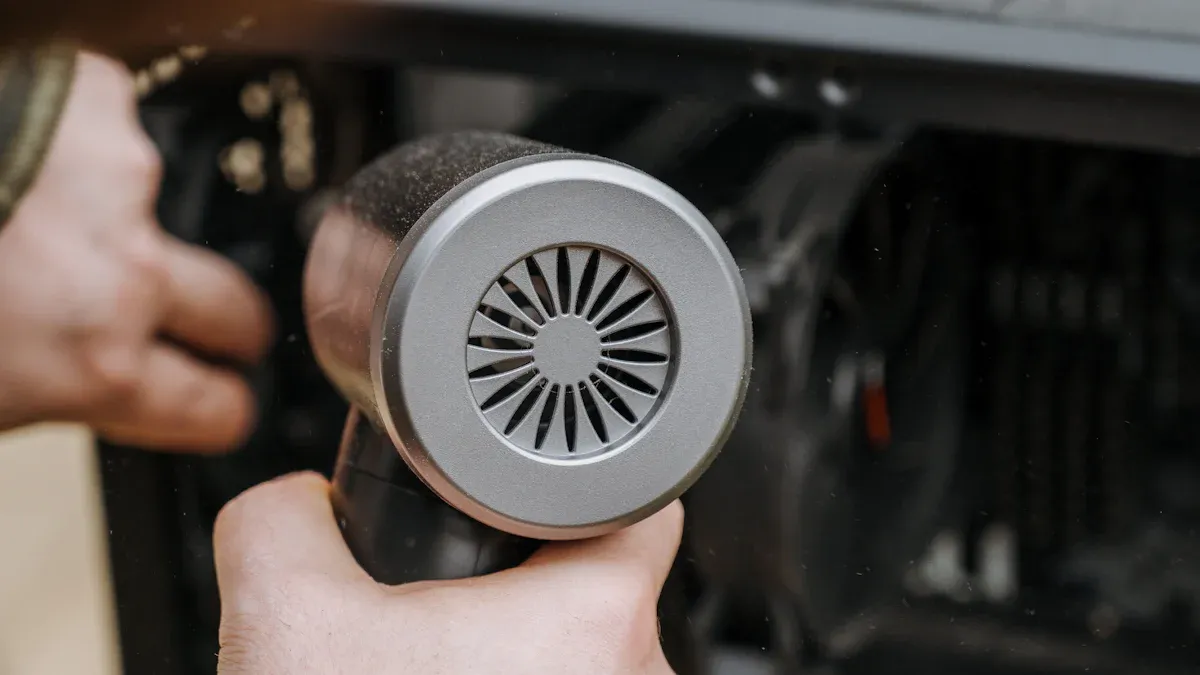
Keeping your laptop clean is essential for its performance and longevity. Dust and grime can accumulate both on the exterior and inside, leading to overheating and hardware issues. Regular cleaning helps you maintain laptop efficiency and prevents unnecessary repairs. Here are some effective strategies to keep your laptop in top shape.
Software Updates
Regular software updates are crucial for maintaining your laptop’s security and performance. They help fix bugs, patch vulnerabilities, and improve functionality. Here’s how you can manage your software updates effectively:
Regular Updates: Always keep your software up to date. This practice prevents vulnerabilities that can lead to data breaches and performance issues.
Monitoring and Alerts: Set up proactive monitoring to catch issues early. This reduces downtime and maintains your trust in the device.
Backups and Disaster Recovery: Implement a robust backup strategy. This protects against data loss and ensures quick recovery from failures.
Documentation: Keep detailed documentation of your software. This aids in continuity and smooth transitions during maintenance.
Testing Procedures: Regularly test updates to ensure they don’t introduce new issues. This maintains software integrity.
Security Measures: Prioritize security through audits and updates. This is crucial to prevent data breaches.
Performance Optimization: Regular optimization practices help maintain software efficiency over time.
To minimize vulnerabilities, consider the following update schedule:
Update Type | Timeframe for Application |
|---|---|
Critical Updates | Within 48 hours of release |
Non-Critical Updates | Within one month of release |
Manage Storage
Managing your laptop’s storage is just as important as keeping it clean. A cluttered hard drive can slow down your system and lead to performance issues. Here are some tips to help you manage your storage effectively:
Regularly Delete Unused Files: Go through your files and delete anything you no longer need. This frees up space and keeps your laptop running smoothly.
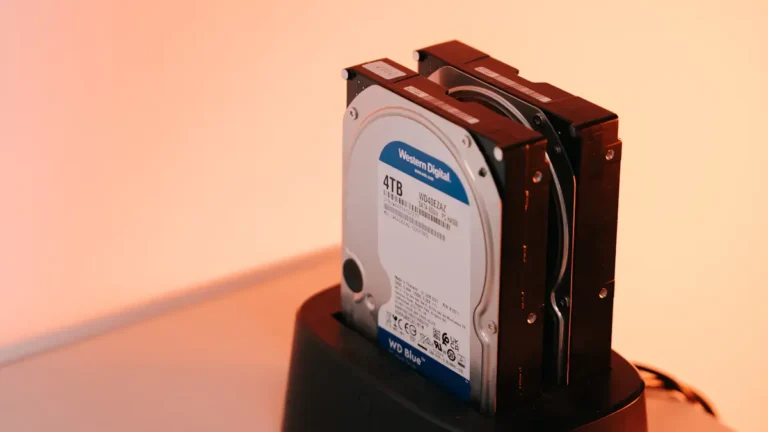
Use External Storage: Consider using external hard drives or cloud storage for large files. This helps keep your internal storage less cluttered.
Organize Your Files: Create folders and categorize your files. This makes it easier to find what you need and keeps your desktop tidy.
Monitor Storage Usage: Regularly check your storage usage. Most operating systems have built-in tools to help you see what’s taking up space.
By following these cleaning and storage management tips, you can maintain laptop performance and extend its lifespan. Remember, a clean laptop is a happy laptop!
Extend the Lifespan through Proper Usage
Taking care of your laptop during everyday use can significantly extend its lifespan. Two key areas to focus on are battery care and preventing overheating. Let’s dive into how you can make the most of your laptop.
Battery Care
Your laptop’s battery is one of its most critical components. Proper battery care can help you avoid premature wear and tear. Here are some tips to keep your battery healthy:
Avoid Full Discharges: Try not to let your battery drop to 0%. Keeping it charged between 20% and 80% can help prolong its life.
Limit Charge Cycles: Each time you charge your battery, it goes through a cycle. Limiting these cycles can extend its lifespan.
Use Battery Saver Mode: Most laptops have a battery saver mode. This feature reduces performance slightly but can significantly extend battery life when you need it.
Keep It Cool: Heat is the enemy of battery health. Avoid using your laptop on soft surfaces like beds or couches that can block airflow.
To understand how different charging behaviors affect your battery’s lifespan, check out the table below:
Charging Behavior | Effect on Lifespan |
|---|---|
Limiting charge range | Prolongs battery life but reduces energy delivered |
Lower charge voltages | Extends battery life, beneficial for electric vehicles and satellites |
Voltage drop below 4.20V/cell | Doubles cycle life but reduces capacity |
High voltages and elevated temperatures | Accelerates degradation of the battery |
Keeping cells at high charge voltage | Causes stress and reduces lifespan |
Laptop Cooling Stand
Another way to extend the lifespan of your laptop is by using a laptop cooling stand. Overheating can lead to performance issues and hardware damage. Here’s why a cooling stand is a smart investment:
Improved Airflow: A cooling stand elevates your laptop, allowing for better airflow. This helps keep the internal components cool.
Reduced Heat Buildup: By preventing heat buildup, you can avoid thermal throttling, which slows down your laptop to protect it from overheating.
Comfortable Usage: A cooling stand can also make your laptop more comfortable to use. It raises the screen to eye level, reducing neck strain.
By practicing good battery care and using a laptop cooling stand, you can significantly extend the lifespan of your laptop. Remember, a little effort goes a long way in keeping your device running smoothly!
Upgrades to Enhance Laptop Performance
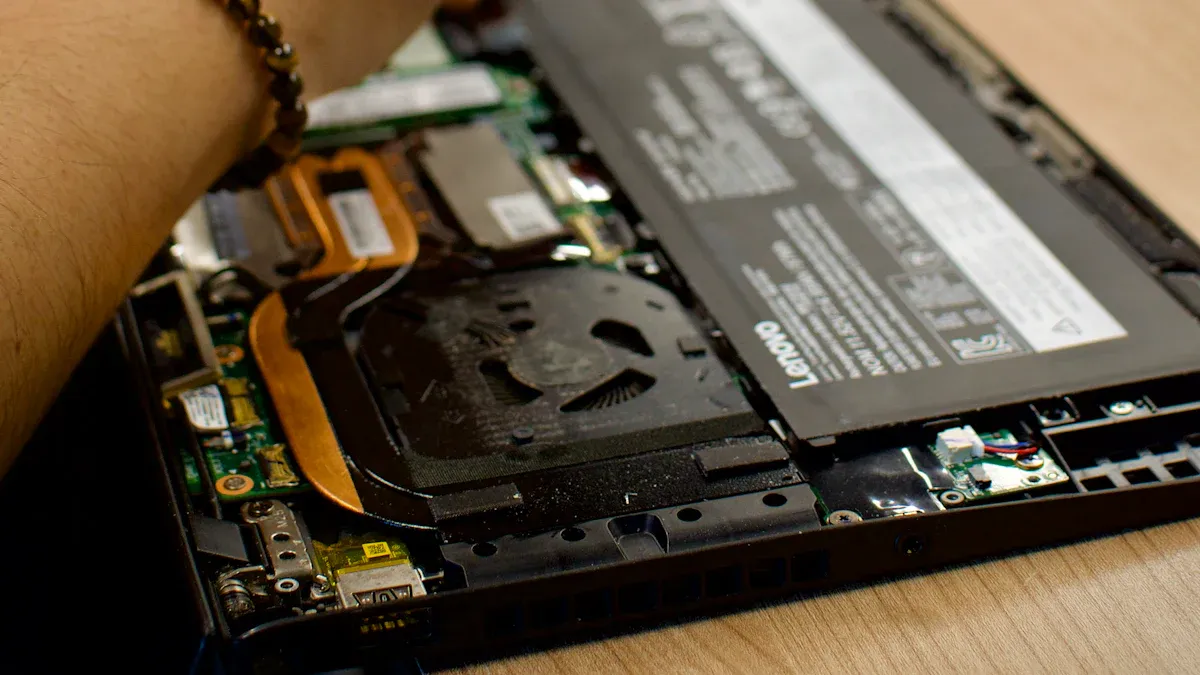
Upgrading your laptop can breathe new life into an aging device. If you notice slow speeds or lagging applications, consider these hardware upgrades to enhance performance.
Hardware Upgrades
Here are some effective upgrades that can significantly improve your laptop’s performance:
Upgrade Type | Description |
|---|---|
NVMe SSD Upgrade | Upgrading to an NVMe SSD can significantly enhance performance, especially if you’re currently using SATA. |
RAM Upgrade | Increasing RAM can improve multitasking and overall system responsiveness. |
Thermal Paste Swap | Reapplying thermal paste on the CPU and GPU can lower temperatures, allowing components to maintain boost clocks longer, improving performance. |
Clean OS Install | A fresh OS installation can eliminate bloat and improve system speed without any cost. |
These upgrades can make a noticeable difference. For instance, upgrading RAM is often more cost-effective than replacing your laptop. If your device is over 6-7 years old or needs multiple repairs, it might be time to consider a replacement. However, upgrading typically costs between $285 and $605, which is much lower than the cost of a new laptop.
Performance Enhancements
In addition to hardware upgrades, investing in protective gear can help maintain your laptop’s performance over time. Here are some essential items to consider:
Padded Laptop Sleeve: Provides excellent protection during transport.
Keyboard Cover: Shields against spills and dust.
Screen Protector: Minimizes scratches and fingerprints.
These accessories not only protect your laptop but also help maintain its performance by preventing physical damage. By taking these steps, you can ensure your laptop runs smoothly and lasts longer.
Embrace these upgrades and enhancements to keep your laptop performing at its best!
Troubleshooting Common Laptop Issues
When you use your laptop regularly, you might run into some common problems. Identifying these issues early can save you time and money. Here are some frequent problems you might face:
Slow Performance: Your laptop may feel sluggish, especially if you have many applications open.
Overheating: If your laptop gets too hot, it can lead to hardware damage.
Battery Drain: A battery that drains quickly can be frustrating and limit your mobility.
Software Crashes: Programs may freeze or crash unexpectedly.
To help you troubleshoot these issues, consider using some handy diagnostic tools:
Event Viewer: This tool logs Windows events and helps you identify error codes.
Resource Monitor: It shows real-time data on system performance, helping you spot resource hogs.
Microsoft Sysinternals Suite: This collection of tools offers deep insights into system processes.
PowerShell: A powerful tool for automating tasks and diagnosing issues.
Identifying Problems
Recognizing the signs of trouble is the first step to fixing your laptop. If you notice any of the issues mentioned above, take a moment to assess the situation. For example, if your laptop is slow, check how many programs are running in the background. You might find that closing a few can speed things up.
Simple Fixes
Here are some simple fixes you can try before seeking professional help:
Restart Your Laptop: Sometimes, a simple restart can resolve many issues.
Clear Temporary Files: Use built-in tools to delete unnecessary files that can slow down your system.
Update Drivers: Keeping your drivers up to date can fix compatibility issues and improve performance.
Check for Malware: Run a virus scan to ensure that malware isn’t causing problems.
However, some issues require professional help. If you face hardware failures, like a cracked screen or liquid damage, it’s best to consult an expert. They have the skills and tools needed to handle complex diagnostics and repairs safely.
By staying aware of common laptop issues and knowing how to troubleshoot them, you can keep your device running smoothly for years to come!
Taking care of your laptop is essential for its longevity. Regular maintenance routines can enhance overall performance, making tasks quicker and more enjoyable. They also prolong your laptop’s lifespan by preventing wear and tear. By practicing proper battery care, cleaning, and careful usage, you maintain hardware integrity and prevent physical damage.
So, implement these tips today! Your laptop will thank you for it, and you’ll enjoy a reliable device for years to come.