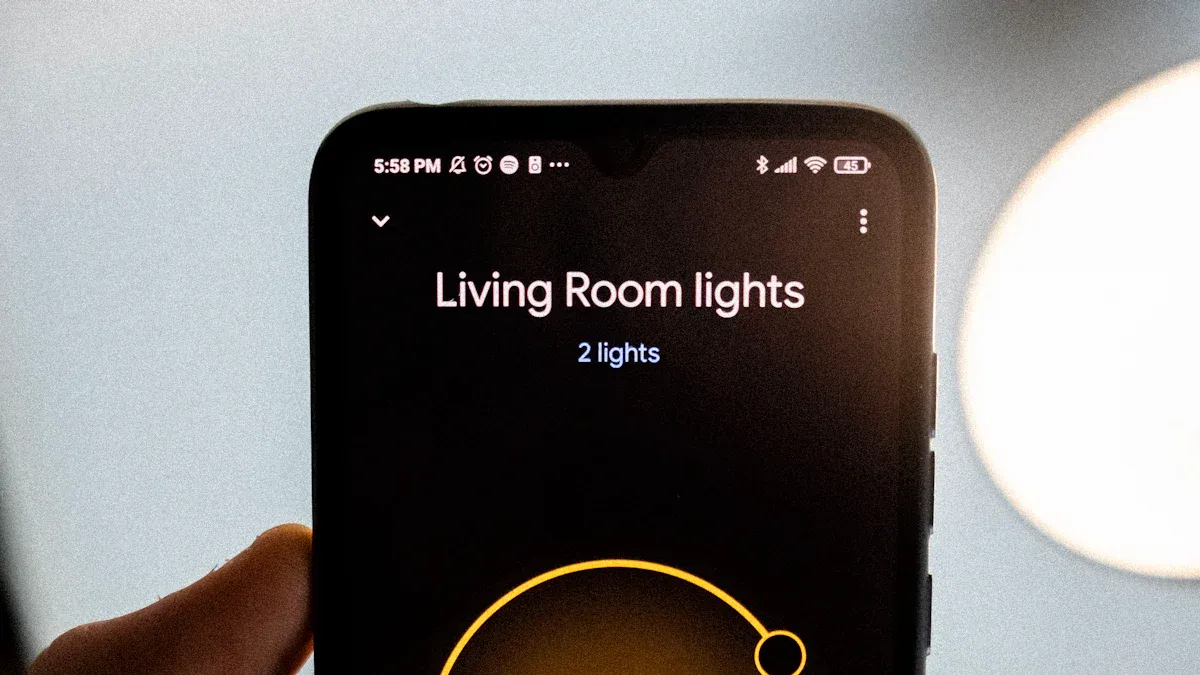
Smart lighting has quickly become a must-have feature in modern homes, leading many to wonder if smart lighting is worth it. More and more homeowners are jumping on this trend, with 6.6% of U.S. households adopting smart lighting systems in 2022. This number is set to rise to 21.5% by 2027! You can enjoy immediate benefits like energy savings, convenience, and personalized settings. Imagine adjusting your lights from your phone or creating the perfect atmosphere for movie night. With smart lighting, you can transform your home into a more efficient and inviting space, proving that smart lighting is indeed worth it.
Key Takeaways
Smart lighting can save you up to 80% on energy costs compared to traditional bulbs, making it a smart choice for your wallet.
Enjoy the convenience of controlling your lights from anywhere using your smartphone or voice commands, enhancing your daily life.
Customize your home’s atmosphere with adjustable brightness and color options, perfect for any occasion or mood.
Automate your lighting with schedules and motion sensors to save energy and improve security without extra effort.
While the initial costs can be higher, the long-term savings and benefits of smart lighting make it a worthwhile investment.
Smart Lighting Worth It: Energy Efficiency

Save Energy with Smart Bulbs
When you switch to smart bulbs, you tap into a world of energy efficiency. Smart bulbs, especially those using LED technology, can save you up to 80% more energy compared to traditional incandescent bulbs. Here’s how:
Lower Energy Consumption: To achieve the same brightness of 3,000 lumens, you would need about 240 watts from four incandescent bulbs. In contrast, just three to four LED bulbs only require 35 to 48 watts. This means you can enjoy bright lighting without the hefty energy bill.
Longer Lifespan: Smart bulbs last significantly longer than their incandescent counterparts. While incandescent bulbs typically last around 1,000 hours, smart bulbs can shine for 25,000 hours or more. This longevity means fewer replacements and less waste, making them a more sustainable choice for your home.
Long-term Cost Benefits
Investing in smart lighting might seem pricey at first, but the long-term savings can be substantial. Here’s what you can expect:
Reduced Electricity Bills: Homeowners who switch to smart bulbs can save an average of $225 or more in electricity costs each year. This is largely due to their energy-efficient design, which uses up to 75% less energy than traditional bulbs.
Lower Maintenance Costs: Since smart bulbs last much longer, you won’t have to replace them as often. This translates to fewer trips to the store and less money spent on replacements. Over time, the savings add up, making smart lighting a cost-effective solution for your home.
Smart Scheduling: Many smart bulbs come with scheduling features that allow you to set them to turn on and off at specific times. This helps reduce unnecessary energy usage. You can integrate them with smart home systems like Apple HomeKit or Google Home for easy management. Automated scheduling means you can enjoy consistent energy savings without lifting a finger.
Convenience of Smart Lighting
Remote Control Features
Imagine being able to control your lights from anywhere in your home-or even when you’re away! With smart lighting, you can do just that. Most smart light bulbs connect to your smartphone through an app, giving you the power to adjust brightness, change colors, or turn lights on and off with just a few taps. This means you can set the mood for a cozy evening or ensure your home looks lived-in while you’re on vacation.
Smart lighting integrates seamlessly with various smart home devices. Here are some common systems that work well with smart bulbs:
Protocol | Description |
|---|---|
Zigbee | Secure, mesh networking with low energy usage, ideal for consistent indoor coverage. |
Wi-Fi | Connects directly to routers but can congest networks. |
Z-Wave | Provides reliable, low-latency control but usually requires a hub. |
You can also control your lights using voice commands with smart speakers like Amazon Echo or Google Home. Just say, “Turn on the living room lights,” and watch as your home responds instantly. This hands-free operation enhances your convenience, especially when your hands are full or you’re busy with other tasks.
Automation and Scheduling
Automation takes the convenience of smart lighting to the next level. You can set up schedules for your lights to turn on and off at specific times. For example, you might want your porch light to turn on at sunset and off at sunrise. This not only saves energy but also adds an extra layer of security to your home.
Here are some key benefits of automation in smart lighting:
Feature | Benefit |
|---|---|
Voice Control | Enables hands-free operation, allowing adjustments while engaged in other activities. |
Remote Access | Allows control of lights from anywhere, enhancing convenience and energy management. |
Customizable Schedules | Users can set personalized lighting schedules, improving ambiance and routine management. |
Motion Sensor Lighting | Automatically turns lights on/off based on presence, ensuring energy efficiency. |
With smart lighting, you can enhance your daily routines. Imagine walking into a room and having the lights turn on automatically, or having your bedroom lights dim gradually as you prepare for sleep. These features not only improve your quality of life but also help you manage your energy use effectively.
Customization and Ambiance
Adjustable Brightness and Color
Smart lighting gives you the power to create the perfect atmosphere in your home. With just a few taps on your smartphone, you can adjust the brightness and color of your lights to match any occasion. Here’s what you can expect from smart bulbs:
Feature | Description |
|---|---|
Color Options | Choose from 16 million colors and a tunable white spectrum (2700K to 6500K) for mood setting. |
Brightness Adjustment | Use a user-friendly app for easy brightness control to suit any occasion. |
Automation | Set personalized routines for gradual brightness changes, mimicking natural light patterns. |
Group Control | Synchronize multiple bulbs for simultaneous operation across different rooms. |
Smart Home Integration | Control your lights hands-free via Google Home and Amazon Alexa for instant adjustments. |
Timer Functionality | Schedule lights to turn on/off automatically based on your routines. |
Biorhythm Feature | Adjusts brightness and color temperature throughout the day to align with your natural rhythms. |
Scene Modes | Use preset lighting modes for activities like reading or working, with options to edit. |
Music Sync | Lights change colors and brightness to match the rhythm of your music for enhanced experiences. |
Enhancing Home Decor
Smart lighting doesn’t just serve a functional purpose; it also elevates your home decor. Here’s how:
Create Diverse Atmospheres: Smart lighting can adapt to any occasion, whether it’s a cozy movie night or a lively dinner party. You can set the mood with soft pastels for a wedding or bold colors for a conference.
Dimming Capabilities: Adjusting the brightness allows you to match your lighting to your relaxation levels. Dimming enhances activities like reading or watching movies, making them more enjoyable.
Support Circadian Rhythms: Smart lighting can sync with natural daylight, promoting well-being. This feature helps you feel more energized during the day and relaxed at night.
By customizing your lighting, you not only improve energy efficiency but also enhance the overall aesthetic appeal of your home. Smart lighting technology allows you to tailor your space to fit your lifestyle, making it a valuable addition to modern home decor.
Drawbacks of Smart Lighting
Initial Costs
While smart lighting offers many benefits, you should consider the initial costs. Smart bulbs can be significantly more expensive than traditional incandescent bulbs. Here’s a quick comparison:
Lighting Type | Average Cost per Bulb | Additional Costs |
|---|---|---|
Traditional Incandescent | $1-$2 | N/A |
Smart LED Bulb | $25-$60 | Smart hub or bridge: $50-$200, Professional installation: $280-$750, Compatible dimmer switches: $20-$80 each |
As you can see, the upfront investment for smart lighting can be quite high. You might find yourself spending more than you initially planned, especially if you want to install multiple bulbs throughout your home.
Installation Complexity
Installation can also be a hurdle. Depending on the system you choose, you may face various challenges. Here are some common issues:
Network Requirements: A strong Wi-Fi network is essential. If your connection is weak, you might experience connectivity issues.
Compatibility Issues: Not all smart devices work together. This can lead to frustration when trying to integrate different brands.
Wiring and Placement: Poor planning can result in visible wiring or ineffective device placement.
Scalability: Some systems may limit future upgrades, making it hard to expand your smart home.
If you opt for a fully automated lighting system, installation costs can range from $1,000 to $5,000. This depends on the number of rooms and the complexity of the system. Individual smart bulbs typically cost between $15 to over $70, while smart switches can range from $15 to over $300. Larger homes will require more devices, leading to higher overall installation costs.
While smart lighting can enhance your home, these drawbacks are worth considering. You want to ensure that the benefits outweigh the initial investment and installation challenges.
Smart lighting offers a range of benefits that can enhance your home experience. Here’s a quick recap of why you should consider making the switch:
Energy Efficiency: Save up to 50% on electricity costs with automated settings.
Convenience: Control your lights remotely through apps or voice commands.
Customization: Create the perfect ambiance with adjustable brightness and colors.
Feature/Benefit | Smart Lighting | Traditional Lighting |
|---|---|---|
Customizable Settings | Yes | No |
Remote Access | Yes | No |
Improved Ambiance | Yes | Limited |
With these advantages, smart lighting not only boosts your home’s appeal but also adds value. Why not embrace this modern upgrade and enjoy a more efficient, stylish living space? 🌟
FAQ
What are smart lighting systems?
Smart lighting systems allow you to control your lights remotely using apps or voice commands. They offer features like scheduling and automation, enhancing your home’s convenience and energy efficiency.
What are the main smart lighting benefits?
Smart lighting benefits include energy savings, convenience through remote control, and customizable settings for ambiance. You can enjoy smarter energy use and enhance your home decor effortlessly.
Can I integrate smart home lighting with other devices?
Yes! Most smart lighting systems work well with other smart home devices. You can create a whole-home automation experience, allowing your lights to sync with security systems, thermostats, and more.
How do smart bulbs help with energy efficiency?
Smart bulbs use LED technology, consuming less energy than traditional bulbs. They also allow for scheduling and automation, which helps reduce energy waste and promotes smarter energy use.
Are smart bulbs easy to install?
Yes, smart bulbs are generally easy to install. Simply replace your existing bulbs, connect them to your Wi-Fi, and set them up through the app. Some systems may require additional setup for full integration.