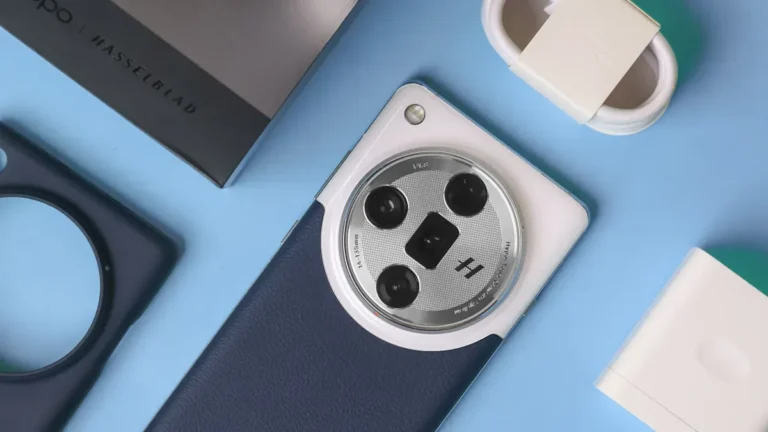
Choosing the right smartphone is crucial for your lifestyle. You want a device that meets your needs and fits your daily habits. Several factors influence your decision, including your budget, how you use your phone, and what features matter most to you.
Here’s a look at some key factors that shape smartphone selection:
Factor | Percentage (Overall) | Age Group 18-34 | Age Group 35-54 | Age Group 55+ |
|---|---|---|---|---|
Functionality | 29% | 29% | 58% | 32% |
Value for Money | 28% | 28% | 59% | 27% |
Durability | N/A | 27% | N/A | 9% |
Design Aesthetics | N/A | 18% | N/A | N/A |
Brand Status | N/A | 15% | N/A | N/A |
Influence of Friends/Family | N/A | 9% | N/A | N/A |
Understanding these factors can help you make a smart choice when you decide to choose the right smartphone.
Key Takeaways
Identify your smartphone needs based on your lifestyle, focusing on work, hobbies, and travel.
Set a budget to narrow down options and avoid overspending on features you may not need.
Prioritize essential features like camera quality, battery life, and performance to enhance your daily experience.
Consider the operating system that best fits your preferences, whether it’s iOS for simplicity or Android for customization.
Research brands and their unique offerings to find a smartphone that aligns with your values and needs.
Identify Needs
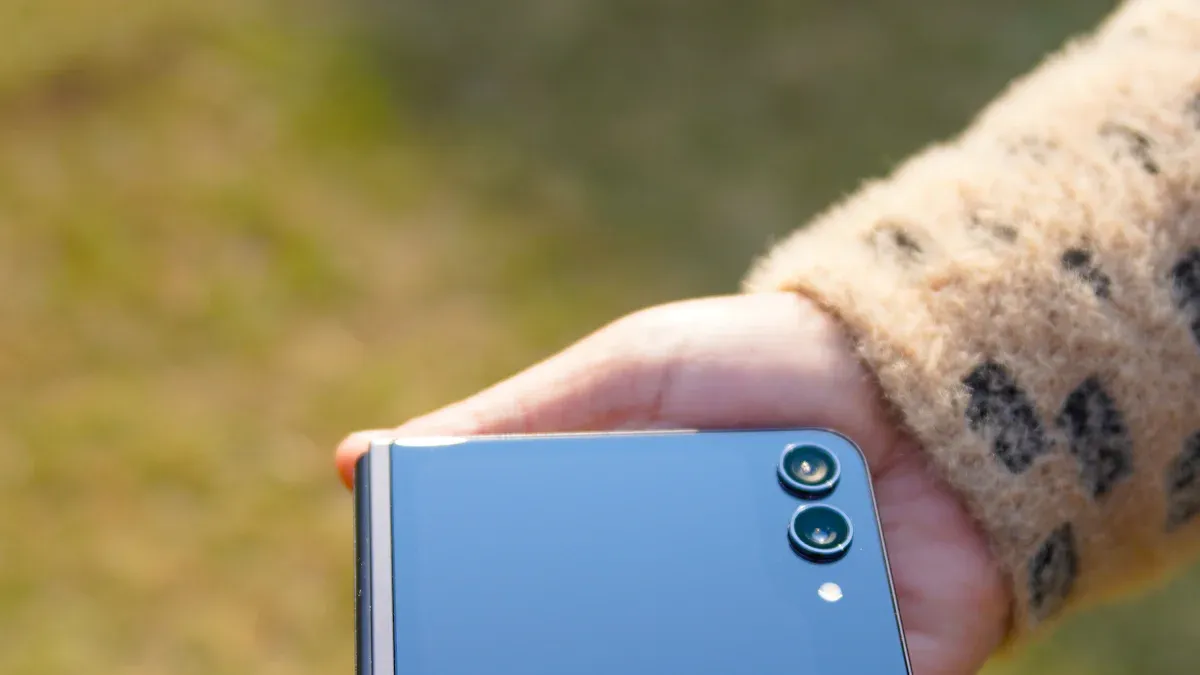
When you think about choosing a smartphone, it’s essential to identify your needs based on your lifestyle. Different aspects of your life can significantly impact your smartphone choice. Let’s break it down into three key areas: work and productivity, hobbies and entertainment, and travel and mobility.
Work and Productivity
If you use your smartphone for work, you need a device that enhances your productivity. Smartphones can help you work from anywhere, making it easier to stay connected and get things done. Here are some ways smartphones can boost your work life:
They allow for flexible work arrangements.
They speed up decision-making processes.
They improve communication and knowledge-sharing among team members.
However, keep in mind that smartphones can also be distracting. Non-work-related activities might pull your attention away from important tasks.
When it comes to features that professionals value, consider the following:
Larger screens for better multitasking.
Productivity apps to manage tasks and reminders.
Voice assistants like Siri for hands-free task management.
Focus modes to minimize distractions.
For example, the Samsung Galaxy Z Fold6 is designed with corporate professionals in mind. Its larger screen allows for effortless multitasking, and features like Note Assist help you take and organize notes during meetings. This can save you time compared to using a laptop.
Hobbies and Entertainment
If you enjoy gaming, streaming, or photography, your smartphone needs to cater to those interests. A good smartphone for entertainment should have:
Specification | Description |
|---|---|
Large RAM and Storage Capacity | At least 6GB of RAM and 128GB of storage for smooth multitasking and ample app storage. |
Long-Lasting Battery with Fast Charging | Ensures your device can keep up with usage demands and minimizes downtime with quick energy boosts. |
High-Resolution Screen | Enhances your visual experience with sharper and more detailed visuals, crucial for gaming and multimedia. |
With these features, you can enjoy your favorite activities without interruptions.
Travel and Mobility
For frequent travelers, your smartphone should be a reliable companion. Here are some essential features to consider:
Feature | Description |
|---|---|
Document Management | Create and save documents like PDFs and Word files using apps such as Google Docs and Google Sheets. |
Safety Features | Store emergency contacts and medical info on the lock screen; use apps for personal security. |
App Availability | Access a wide range of apps for weather, packing lists, reservations, and itinerary planning. |
Battery-Saving Tips | Utilize settings like Battery Saver Mode and turn off unused features to conserve battery life. |
Mobile Wallet Capabilities | Use mobile wallets for secure payments and store tickets and boarding passes for easy access. |
You want a smartphone that lasts all day without needing a charge. Durability is also crucial, especially if you expose your device to harsh conditions. Many users prefer rugged designs to avoid damage from drops or water exposure.
By identifying your needs in these areas, you can choose a smartphone that truly fits your lifestyle.
Set a Budget
Setting a budget is one of the most important steps when choosing a smartphone. You want to find a device that meets your needs without breaking the bank. By establishing a price range, you can narrow down your options and avoid overspending.
Smartphones come in various price segments. Here’s a quick overview of the average price ranges:
Market Segment | Price Range |
|---|---|
Budget | Below $200 |
Mid-range | $200 – $500 |
Flagship | Above $500 |
Once you have a budget in mind, it’s time to look for the best smartphones within that range. Here are some tips to help you find great value:
Software: Look for the latest Android software and security patches.
Performance and battery: Ensure the phone can handle basic tasks and has good battery life.
Carrier support: Choose phones that work on all major networks for better plan options.
Display: Minimum resolution should be 720p with decent brightness and color.
Extra features: Consider NFC, Wi-Fi support, and 5G connectivity.
Camera: For good photography, consider models like Google Pixel ‘a’ series.
Design and build quality: Ensure the phone is sturdy and well-constructed.
By focusing on these factors, you can find a smartphone that fits your budget and meets your needs. Remember, a higher price doesn’t always mean better quality. Take your time to research and compare options before making a decision. This way, you’ll feel confident that you’re getting the best smartphone for your lifestyle.
Essential Features
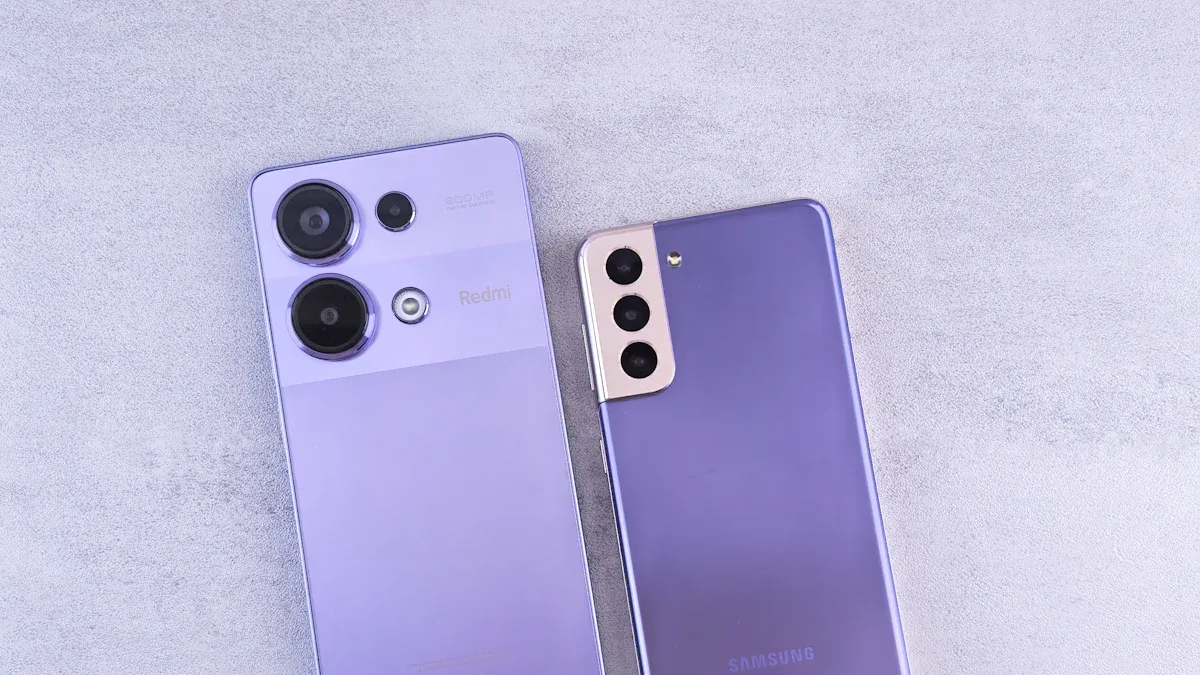
When choosing a smartphone, you can’t overlook the essential features that can make or break your experience. Let’s dive into three critical aspects: camera quality, battery life, and performance/storage.
Camera Quality
In today’s world, a smartphone’s camera can be a deal-breaker. Whether you’re snapping selfies or capturing breathtaking landscapes, you want a device that delivers excellent image quality. Here are some top-rated smartphones based on recent industry reviews:
Smartphone Model | Rating | Key Features |
|---|---|---|
Google Pixel 10 Pro XL | Best camera phone | Exceptional action shots, AI photography features, great battery life, responsive performance. |
Xiaomi 15 Ultra | Best premium camera | Elite photography hardware, rapid charging, two-day battery life, solid update policy. |
Google Pixel 9a | Best value camera | Affordable option with strong camera capabilities. |
vivo X300 Pro | Best zoom camera | Excellent zoom capabilities for detailed shots. |
OnePlus 13 | Best for selfies | Optimized for high-quality selfie photography. |
Apple iPhone 17 Pro | Best for video | Superior video recording features, ideal for videographers. |
These smartphones offer a range of camera features that cater to different needs. If you love taking photos, look for models with advanced camera features like optical zoom, low-light performance, and AI enhancements. A good camera can elevate your photography game and help you capture memories in stunning detail.
Battery Life
Next up is battery life. You want a smartphone that can keep up with your busy lifestyle without constantly needing a charge. Here are some smartphones recognized for their superior battery performance:
iPhone 15 Pro Max: 4,441mAh | Screen time: 14-16 hours
Samsung Galaxy S24 Ultra: 5,000mAh | Screen time: 13-15 hours
Google Pixel 8 Pro: 5,050mAh | Screen time: 12-14 hours
OnePlus 12: 5,400mAh | Screen time: 14-16 hours
Nothing Phone (2a): 5,000mAh | Screen time: 13-15 hours
Sony Xperia 1 VI: 5,000mAh | Screen time: 11-13 hours
Realme GT 6: 5,500mAh | Screen time: 14-16 hours
A long-lasting battery ensures you can stay connected throughout the day. Look for features like fast charging and battery optimization settings to enhance your experience. You don’t want to be caught with a dead phone when you need it most!
Performance and Storage
Finally, let’s talk about performance and storage. The performance of your smartphone hinges on its RAM and processor speed. If you multitask or play games, you’ll want a device with ample RAM. For instance, having more than 12 GB of RAM can provide smoother operation without app reloads. On the other hand, 8 GB is usually enough for everyday tasks like messaging and browsing.
When it comes to storage, consider your usage habits. Here’s a quick overview of common storage capacities:
Storage Capacity | Typical Uses |
|---|---|
64GB | Sufficient for casual users |
128GB | Stores ~900 photos, ~60 minutes of UHD video, ~1,000 songs, ~100+ apps and games, ~20 movies |
256GB | More space for extensive media and apps |
512GB | Ideal for heavy users to avoid storage issues |
1TB | Maximum storage for power users |
MicroSD | Expandable storage option available for many smartphones |
Choosing a smartphone with great performance and adequate storage ensures you can run apps smoothly and store all your important files without worry.
By focusing on these essential features, you can find a smartphone that not only meets your needs but also enhances your daily life.
Operating Systems
When choosing a smartphone, the operating system (OS) plays a big role in your experience. The two main players are iOS and Android. Each has its strengths and weaknesses, so let’s break them down.
iOS vs. Android
User Interface: iOS offers a simple and intuitive interface. You’ll find it easy to navigate, especially if you’re not very tech-savvy. On the other hand, Android allows for extensive customization. You can tailor your home screen and apps to fit your style.
Customization Options: If you love personalizing your device, Android is the way to go. You can change everything from widgets to themes. iOS keeps a consistent design across devices, which some users prefer for its simplicity.
Ease of Use: iOS is designed for simplicity, making it ideal for those who want a straightforward experience. Android’s flexibility caters to more experienced users who enjoy tinkering with settings.
User Familiarity
Your familiarity with an operating system can greatly influence your choice. If you’ve always used an iPhone, switching to Android might feel overwhelming. Conversely, if you’re used to Android, the transition to iOS could be just as challenging.
Here’s a quick look at how security features compare between the two:
Feature | iOS Security | Android Security |
|---|---|---|
App Store Policies | Rigorous app review processes and advanced data encryption. | Stringent developer policy and AI-powered threat detection. |
Update Management | Timely and widespread distribution of updates due to control over hardware. | Regular updates from Google, but dependent on manufacturers and carriers. |
Data Encryption | Strong encryption by default for all data and communications. | Variable encryption standards depending on device manufacturer. |
User Permissions | Granular permissions required for sensitive data access. | Improved permission model, but varies by app and version. |
Security Features | Includes Face ID, Touch ID, and secure enclave. | Offers Google Play Protect and various biometric authentication methods. |
Enterprise Security | Features like Managed Apple IDs and robust MDM framework. | Varies widely by manufacturer and model, with less standardized enterprise tools. |
Recent statistics show that Android holds a significant market share of 72.77%, while iOS accounts for 26.82%. This means you’re likely to find more Android users, but iPhone enthusiasts are just as passionate about their devices.
Choosing between iOS and Android ultimately comes down to your personal preferences and how you plan to use your smartphone.
Brand Preferences
When it comes to choosing a smartphone, brand preference can significantly influence your decision. Different brands offer unique features, designs, and customer experiences. Let’s take a closer look at some of the most popular smartphone brands and what sets them apart.
Popular Brands Overview
Here’s a snapshot of the leading smartphone brands based on recent market data:
Company | 3Q25 Shipments | 3Q25 Market Share |
|---|---|---|
Samsung | 61.4 million | 18.8% |
Apple | 59.4 million | 18.2% |
Xiaomi | 43.4 million | 13.3% |
Transsion | 29.2 million | 9.0% |
vivo | 27.9 million | 8.6% |
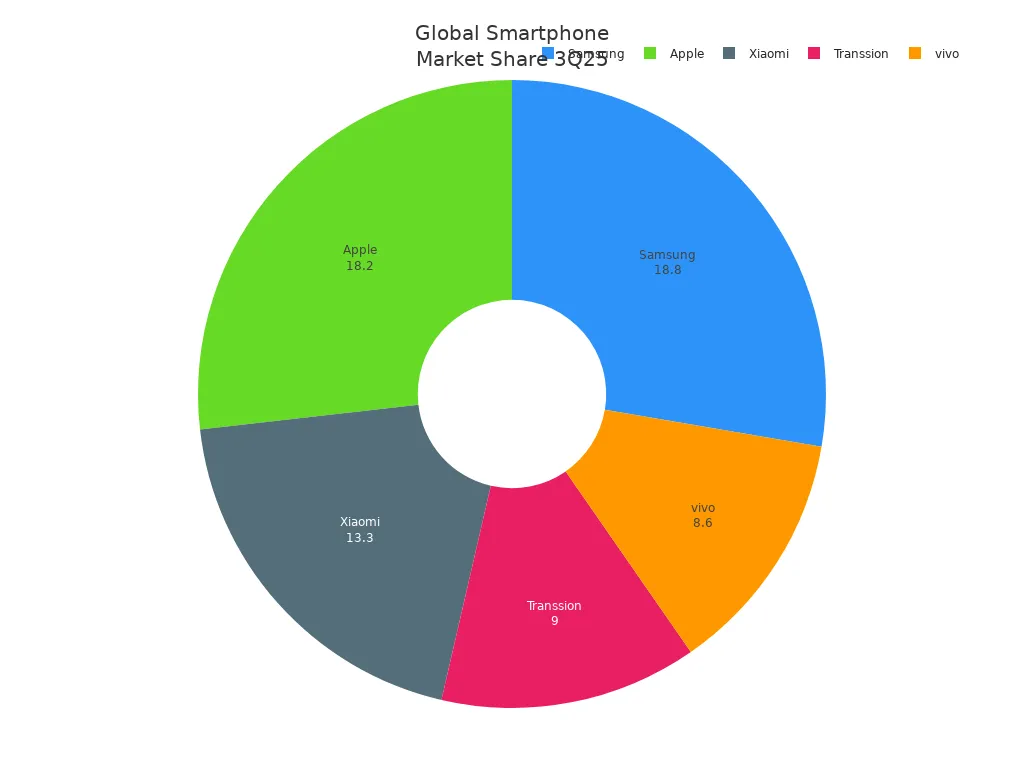
These brands dominate the market, each with its strengths. Samsung and Apple lead the pack, known for their innovation and quality. Xiaomi offers great value for money, while Transsion and vivo cater to specific markets with unique features.
Unique Offerings
Each brand has its unique selling points that can sway your choice:
Apple: Known for its seamless ecosystem and strong resale value. iPhones maintain 40-60% of their original value after two years. They also provide consistent software updates for 5-7 years.
Samsung: Offers extensive support for flagship devices, now up to 7 years. Their Galaxy S24 Ultra features impressive zoom capabilities and a 200MP main sensor, making it a top choice for photography enthusiasts.
Xiaomi: Delivers high-quality devices at competitive prices. Their smartphones often come with robust features, making them some of the best Android phones available.
Google Pixel: Renowned for its camera capabilities, the Pixel 8 Pro excels in computational photography. It also provides a pure Android experience, ensuring compatibility with new features and security patches.
vivo and Transsion: These brands focus on specific markets, offering tailored features like enhanced battery life and camera capabilities that appeal to local consumers.
Understanding these brand preferences can help you make an informed decision when selecting the best smartphones for your lifestyle.
Choosing the right smartphone is a big decision that can impact your daily life. Remember to focus on what matters most to you. Here are some key points to consider:
Core Priorities: Identify the top attributes that matter, like camera quality and budget.
Hardware Evaluation: Assess the processor, display, and battery life.
Software Experience: Think about how the operating system fits with your other devices.
Future-Proofing: Look for longevity in software updates and resale value.
Practical Buying Strategies: Timing your purchase and testing in-store can help.
Many consumers spend several hours researching before making a purchase. In fact, 20-32% take days to decide! So, take your time, weigh your options, and choose a smartphone that truly fits your lifestyle.
Time Spent Researching | Percentage of Consumers |
|---|---|
Less than 10 minutes | 6-11% |
10-30 minutes | 30-40% |
30-60 minutes | 25-31% |
Several hours or days | 20-32% |
By following these tips, you can avoid common mistakes and find a smartphone that enhances your life. Happy shopping! 📱