Imagine a world where your smartphone technology acts as the brain of your home, seamlessly managing everything from your lights to your entertainment system. What features will define the future of smartphones in 2026? Will foldable designs become the norm, or will AI integration reshape how you interact with your device? Understanding these advancements in smartphone technology matters. They will not only enhance your daily life but also influence the tech landscape you engage with.
As smartphone technology evolves, it becomes central to a connected ecosystem, integrating with home and mobility solutions.
Key Takeaways
Smartphones in 2026 will feature foldable designs, making them more versatile and affordable.
AI integration will enhance user experiences, allowing devices to learn habits and optimize performance.
Battery management will improve, leading to longer battery life and faster charging options.
Sustainability will be a priority, with manufacturers using eco-friendly materials and modular designs.
Smartphones will serve as central hubs for smart home devices, simplifying control and enhancing connectivity.
Design Changes
Futuristic Features
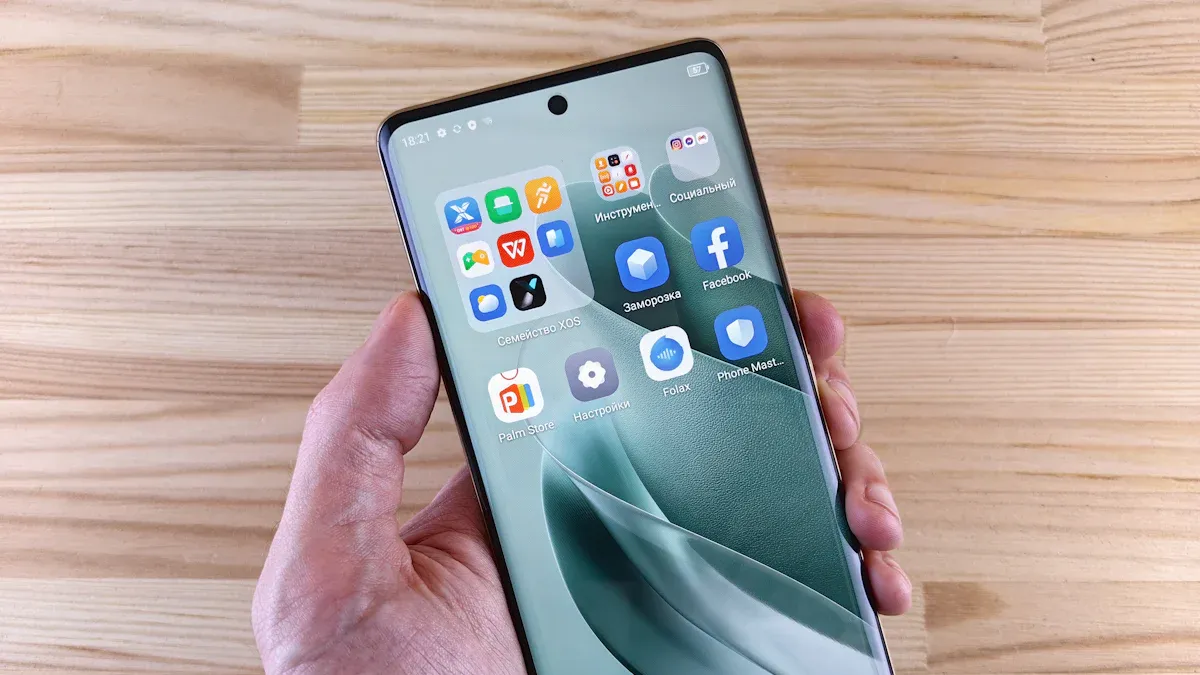
In 2026, you can expect smartphones to showcase futuristic features that redefine user experience. One major trend is the rise of on-device AI. Nearly 90% of premium smartphones will support these advanced capabilities. This integration allows your device to learn from your habits, making it more intuitive and responsive.
Another exciting development is the popularity of foldable phones. According to recent reports, book-style folding smartphones will dominate the market, accounting for 65% of global shipments. This shift indicates that consumers are eager for innovative designs that offer versatility and novelty. The anticipated competition among manufacturers will also drive down prices, making foldable devices more accessible.
Display Innovations
Display technology will undergo significant advancements by 2026. You will likely see features such as crease-less foldable displays and under-display Face ID, enhancing both aesthetics and functionality. Here are some key innovations to look forward to:
LTPO+ technology for better battery efficiency
High mobility oxide (HMO) displays for improved responsiveness
Color filter on encapsulation (COE) for vibrant colors
Under-display infrared (UDIR) sensors for enhanced security
These innovations will not only improve how you interact with your smartphone but also elevate your overall experience. As you explore these futuristic features and display innovations, you will find that smartphones in 2026 will be more than just communication tools; they will become essential companions in your daily life.
Hardware and Software Innovations
AI Integration
By 2026, AI integration will transform how you use your smartphone. You will experience faster AI processing thanks to advancements in 5G networks. This technology will enable quicker data transfer, making cloud-based AI applications more responsive. Here are some key enhancements you can expect:
Improved Augmented Reality (AR) and Virtual Reality (VR): Real-time experiences will become smoother, allowing for instant adjustments in gaming and shopping apps.
Smart City Interaction: Your smartphone will connect with smart city infrastructure, enhancing real-time functionality.
AI-Enhanced Multitasking: Your device will predict your needs and prioritize tasks based on context and urgency.
Personalized User Experience: AI will adapt to your habits, optimizing app recommendations and device behavior.
Additionally, smarter virtual assistants will emerge. They will understand context better and engage in more natural conversations. AI will also enhance photography with advanced algorithms, improving image quality and enabling real-time video editing. You will find that AI in health monitoring will track vital signs continuously, helping you manage your fitness effectively.
Processing Power
The processing power of smartphones will see significant advancements by 2026. New processors will deliver impressive performance and efficiency. For instance, Samsung’s Exynos 2600 will be a groundbreaking 2 nm system-on-chip (SoC). This processor will feature:
A 10-core ARM architecture that balances high performance and efficiency.
An AMD Xclipse 960 GPU designed for gaming and graphics.
An advanced Neural Processing Unit (NPU) that enhances on-device AI capabilities.
These innovations will lead to smarter AI engines, better thermal management, and improved ecosystem integration. You will notice that smartphones will handle demanding apps and multitasking with ease.
To give you a clearer picture, here’s a comparison of some devices and their processors:
Device | Processor |
|---|---|
Samsung Galaxy S21 Ultra 5G | Samsung Exynos 2100 @ 2.2 GHz |
Samsung Galaxy S21 5G | Samsung Exynos 2100 @ 2.2 GHz |
OnePlus 9 Pro | Qualcomm Snapdragon 888 @ 1.8 GHz |
Samsung Galaxy S22 Ultra | Qualcomm Snapdragon 8 Gen 1 @ 2.5 GHz |
As you can see, the benchmarks for processing power will continue to rise, making smartphones more capable than ever. With these advancements in hardware and software, your smartphone will become an even more essential tool in your daily life.
AI and Security Advancements
Enhanced User Interfaces
In 2026, smartphones will feature enhanced user interfaces driven by advanced AI functionality. You will notice that these innovations will significantly improve your interaction with your device. For instance, on-device intelligence will process data locally. This approach enhances privacy and responsiveness, allowing for real-time actions without uploading sensitive information.
Dynamic hyper-personalization will adapt your smartphone’s interface based on your context. This means your device will anticipate your needs, making it more relevant and engaging. You might find that your smartphone suggests apps or features based on your daily routines.
Multimodal interfaces will also become common. These interfaces will allow for more natural interactions through voice, touch, and visual inputs. This innovation will make technology more accessible and user-friendly. Here are some examples of how AI will enhance your smartphone experience:
Meeting apps that transcribe conversations and summarize action points in real-time.
Travel apps that automatically display boarding passes when you arrive at the airport.
Learning platforms that adjust difficulty based on your focus.
The following table summarizes the impact of AI functionality on user experience:
AI Functionality | Impact on User Experience |
|---|---|
On-device intelligence | Enhances privacy and responsiveness by processing data locally. |
Dynamic hyper-personalization | Adapts interfaces based on user context, improving relevance and engagement. |
Multimodal interfaces | Facilitates more natural interactions through voice, touch, and visual inputs. |
Battery Management
Battery management will also see significant advancements in 2026 smartphones. You can expect smarter batteries that learn your usage patterns. This innovation will optimize battery life, ensuring your device lasts longer throughout the day.
AI will play a crucial role in managing battery performance. It will analyze your habits and adjust power consumption accordingly. For example, if you frequently use certain apps, your smartphone will allocate more resources to them while conserving energy for less-used applications.
Additionally, you will find that charging technology will improve. Fast charging will become even faster, allowing you to recharge your smartphone in a matter of minutes. Wireless charging will also become more efficient, making it easier to power up your device without the hassle of cables.
With these advancements in battery management, you will enjoy longer battery life and more efficient charging options, making your smartphone experience smoother and more reliable.
Sustainability in Smartphone Development
Eco-Friendly Materials
In 2026, smartphone manufacturers will prioritize sustainability by using eco-friendly materials. You will see a shift towards recycled metals and plastics, which help reduce waste. Here are some materials to look out for:
Material Type | Description | Examples of Use |
|---|---|---|
Recycled Metals | Utilization of metals that have been repurposed from previous products. | Apple uses recycled aluminum in iPhone casings. |
Recycled Plastics | Plastics sourced from waste, such as fishing nets, to reduce new plastic use. | Samsung incorporates plastics salvaged from fishing nets. |
Biodegradable Materials | Experimental materials that can decompose, potentially reducing landfill impact. | Some companies are testing biodegradable casings. |
Manufacturers are committing to 100% recycled materials. Modular designs for easy repairs are becoming standard. Brands like Fairphone and Google Pixel are expected to produce carbon-neutral phones. These innovations will not only enhance the design of smartphones but also contribute to a healthier planet.
Energy Efficiency
Energy efficiency will also improve significantly in future smartphones. You can expect advancements that enhance performance while conserving battery life. Here are some key improvements:
Projected performance increase of up to 20% in smartphone chips and components.
Anticipated energy savings of up to 40% due to advancements in hardware.
Enhanced AI functions enabled without overheating or performance lag.
Smartphones will utilize a flagship 3nm process for improved efficiency. They will feature an All Big Core architecture to enhance performance while conserving energy. With these innovations, you will enjoy longer battery life and more efficient devices, making your smartphone experience even better.
Integration with Other Technologies
Smart Home Connectivity
In 2026, your smartphone will become the central hub for managing smart home devices. You will control everything from lights to security systems right from your device. Here are some key advancements you can expect:
Real-Time Control: You will receive instant notifications and manage devices like smart doorbells and hot water systems through mobile apps.
AI Integration: Your smartphone will use AI to provide smarter alerts and automate tasks, making your home more efficient.
Enhanced Interoperability: Standards like Matter will allow devices from different manufacturers to work together seamlessly.
As smart home technology evolves, you will find that controlling your environment becomes easier and more intuitive. The integration of AI will enhance user experience, allowing your devices to learn your preferences and adjust accordingly.
Wearable Technology
Wearable technology will also see significant growth by 2026. The market for wearables is projected to increase from $97.21 billion in 2025 to $114.96 billion in 2026, reflecting a compound annual growth rate of 18.3%. This growth stems from rising consumer interest in fitness and wellness, as well as enhanced integration with smartphones. Here are some ways your smartphone will synergize with wearable technology:
Telemedicine Integration: Wearables will sync data with telemedicine platforms, enabling informed virtual consultations.
Enhanced Fitness Tracking: Your wearables will provide AI-driven insights to motivate you in your fitness journey.
Augmented Reality Applications: Smart glasses will allow immersive experiences, enhancing shopping and education.
With these advancements, your interaction with both smartphones and wearables will become more seamless. You will enjoy a connected lifestyle that promotes health, efficiency, and convenience.
In 2026, you will witness remarkable advancements in smartphone technology. Key developments include:
The rise of foldable phones with improved durability and affordability.
Deeper integration of AI for enhanced user experiences.
Established 5G connectivity and early testing of 6G.
Increased focus on security with advanced biometric methods.
Commitment to sustainability through eco-friendly materials.
These changes will significantly impact your daily life. AI-native processors will enhance device capabilities, leading to faster responses and improved security. Super-apps will simplify tasks, while multi-screen models will improve multitasking. As manufacturers prioritize sustainability, you can expect a more eco-friendly approach to smartphone production. Stay informed about these exciting developments, as they will shape the future of technology.
FAQ
What are the main features of smartphones in 2026?
Smartphones in 2026 will feature advanced AI integration, foldable designs, and enhanced security measures. Expect improved battery management and seamless connectivity with smart home devices.
How will AI improve smartphone functionality?
AI will enhance user experience by personalizing interactions, optimizing app performance, and enabling smarter multitasking. It will also improve photography and health monitoring capabilities.
What materials will future smartphones use?
Manufacturers will prioritize eco-friendly materials, such as recycled metals and plastics. This shift aims to reduce waste and promote sustainability in smartphone production.
How will battery life change in 2026 smartphones?
Battery life will improve due to smarter battery management systems. These systems will learn your usage patterns and optimize power consumption, allowing for longer-lasting devices.
Will smartphones still be relevant in 2026?
Absolutely! Smartphones will remain central to daily life, evolving to integrate with other technologies and enhance user experiences. They will continue to be essential tools for communication and productivity.