Smartphone cameras have transformed how you capture moments. With each new model, you notice improvements that make photography easier and more enjoyable. In just a few years, these devices have evolved from basic tools to powerful cameras that fit in your pocket.
Consider this: global smartphone shipments are projected to reach 1.22 billion units in 2024, reflecting a 7% increase. As you think about what to look forward to in 2026, what innovations will shape the future of smartphone cameras? Will AI make your photos even better? Will zoom capabilities become more advanced? The possibilities are exciting!
Key Takeaways
Expect smartphone cameras to feature 50MP sensors with advanced technology for better image quality and low-light performance.
AI will enhance your photography by automating tasks like scene recognition and image processing, making it easier to capture stunning photos.
Look forward to improved zoom capabilities, including 200MP sensors and advanced telephoto lenses, allowing for detailed shots from a distance.
Smartphone cameras will become more versatile with features like variable aperture lenses and intelligent imaging technologies for various lighting conditions.
The iPhone 17 Pro and Samsung Galaxy S26 Ultra will lead the market with innovative camera systems, making professional-quality photography accessible to everyone.
Image Quality
Sensor Technology
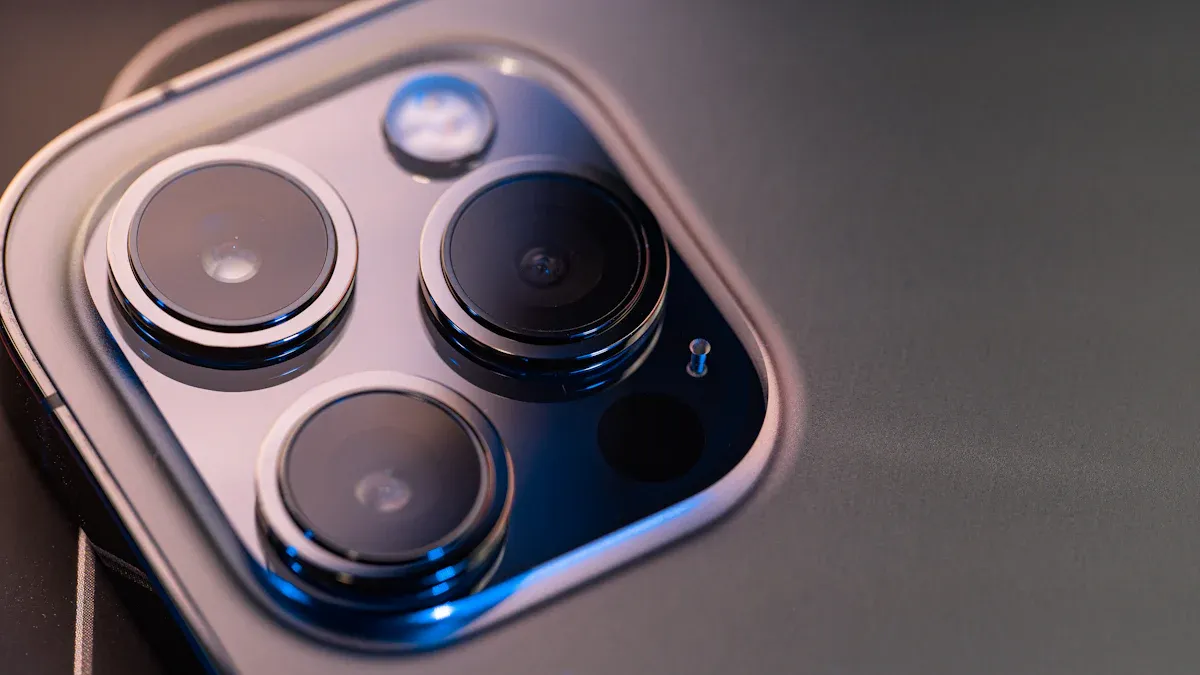
In 2026, expect smartphone cameras to feature impressive advancements in sensor technology. You will likely see 50MP main cameras equipped with quad-pixel binning technology. This technology allows your camera to combine four pixels into one, enhancing light sensitivity and image quality. Here are some key features you can look forward to:
High-resolution sensors, like Sony’s 50MP IMX06A, designed for speed and HDR performance.
Variable aperture lenses that provide versatility in different lighting conditions.
Intelligent imaging technologies, including multi-sensor fusion systems that improve overall photo quality.
These innovations will help you capture stunning images, whether in bright sunlight or dimly lit environments.
Low-Light Enhancements
Low-light photography will see significant improvements in the coming years. Upcoming smartphone camera technology will focus on enhancing your ability to take clear photos in challenging lighting conditions. Here are some advancements you can expect:
50-megapixel image sensors with dual conversion gain technology will boost low-light performance.
Improved noise reduction algorithms will enhance the clarity of your photos, making them look sharper and more detailed.
MediaTek’s Imagiq technology will support RGBW sensors, increasing light sensitivity by up to 30% compared to traditional sensors.
With these enhancements, your smartphone camera will excel in low-light situations, allowing you to capture beautiful nightscapes without the need for bulky equipment. The future of smartphone cameras promises to make low-light photography easier and more enjoyable than ever.
Zoom Technology
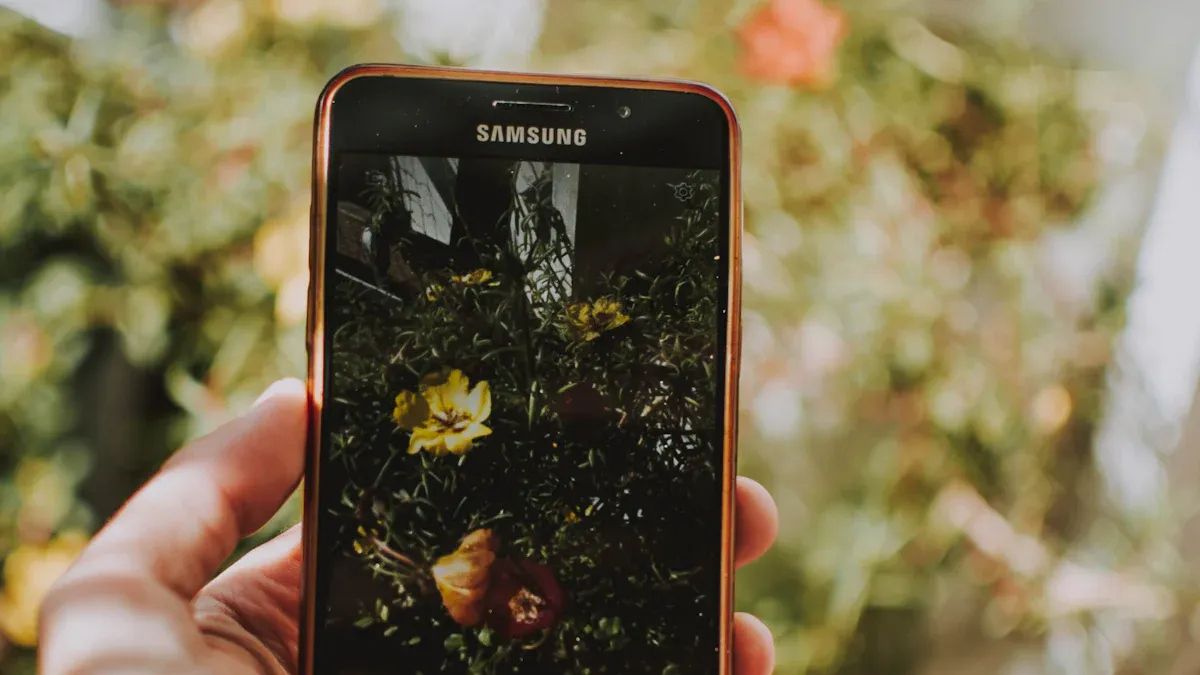
Telephoto Features
In 2026, you can expect significant advancements in telephoto camera technology. Flagship smartphones will likely feature 48MP telephoto cameras with 4x telephoto lenses. This upgrade enhances your photography experience by providing better detail retention, especially when cropping images. The new focal lengths feel more natural, making it easier for you to capture stunning photos.
Additionally, some models, like the Xiaomi 18, will introduce 200MP periscope lenses. This leap in technology will enhance focal range and background blur capabilities, making advanced photography more accessible. With these features, you will have the tools to create professional-quality images right from your smartphone camera.
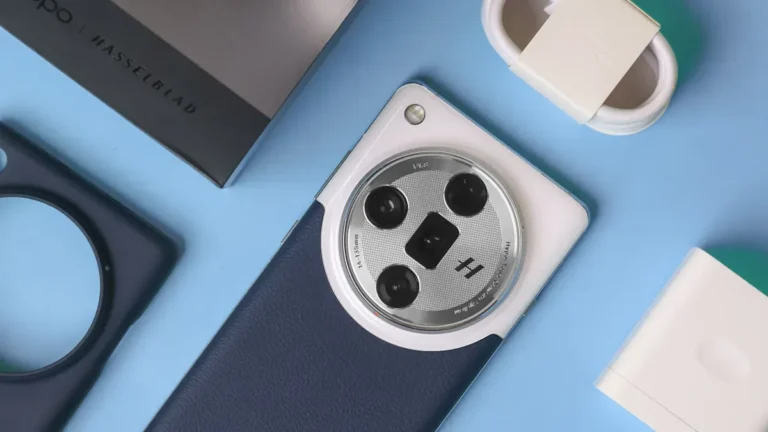
“The teleconverter itself is a solid piece of gear with metal and glass, indicating the kind of quality both Oppo and Hasselblad pursued with it. It’s easy to attach and detach, and I use a non-supplied microfiber pouch to keep it clean and scratch-free when taking it with me. And despite my concerns with its implementation, it proves more than capable of taking the already excellent telephoto camera and making it even better. Image stabilization is fantastic, and the color science doesn’t take a big hit, either.”
Digital Zoom Advances
Digital zoom technology will also see remarkable improvements. You will benefit from telephoto extenders that enhance zoom capabilities by providing external lenses. These lenses will help overcome space limitations in smartphones. Here are some key advancements you can look forward to:
The introduction of 200MP sensors will enable high-quality digital zoom that competes with optical zoom.
A shift towards intelligent imaging technologies will enhance your overall photography experience.
Advanced zoom capabilities will allow you to capture distant subjects with minimal loss in image quality.
Manufacturers will focus on improving sensor technology and AI-enhanced image processing. These advancements will help counteract common issues with digital zoom, such as pixelation and blurriness. For instance, techniques like multi-frame stacking and AI will reduce quality loss, making your zoomed photos clearer and more detailed.
As you explore the future of smartphone cameras, these zoom technology advancements will empower you to take breathtaking photos, whether you’re capturing a distant landscape or a close-up of a subject.
AI in Photography
Image Processing
AI-powered features in smartphone cameras significantly enhance your photography experience. These advancements automate complex tasks, making it easier for you to capture high-quality images. Here are some key benefits of AI in image processing:
AI enhances image quality through:
Scene detection
Object recognition
Noise reduction
HDR processing
Color correction
With these capabilities, your camera can apply beautification filters and optimize settings based on recognized scenes and objects. For example, the Samsung Galaxy S24 Ultra utilizes AI tools for image editing and object manipulation. Similarly, Google Pixel phones offer features like ‘Best Take’ and ‘Magic Eraser’ to enhance your photos effortlessly.
AI also enables real-time photo enhancements. It adjusts colors, detail, and exposure instantly as you take a picture. This means you can achieve professional-level edits without needing advanced skills.
Scene Recognition
Scene recognition is another exciting area where AI makes a difference. Modern smartphones can recognize over 1,500 scenarios across 25 categories. This capability allows your camera to optimize settings based on the detected scene, enhancing exposure, color balance, and sharpness.
AI continuously learns from millions of images, improving its ability to identify subjects and lighting conditions. This means you can expect better image quality, even in challenging environments. The automation of these tasks saves you time and effort, allowing you to focus on creativity rather than technical details.
Best Camera Phones of 2026
iPhone 17 Pro
The iPhone 17 Pro stands out as one of the best camera phones of 2026. It features a Pro Fusion camera system with three 48MP cameras. This setup allows you to capture stunning photos with exceptional detail. You can enjoy various zoom options, including 0.5x, 1x, 2x, 4x, and 8x optical zoom. This versatility makes it easy for you to take close-ups or wide-angle shots.
Here are some key features that make the iPhone 17 Pro a top choice:
Feature | Description |
|---|---|
Camera System | Pro Fusion camera system with three 48MP cameras |
Zoom Options | 0.5x, 1x, 2x, 4x, and 8x optical zoom options |
Macro Photography | Yes, supports macro photography |
Image Mode | ProRAW image mode |
Video Recording | 4K Dolby Vision video recording up to 120fps |
With these features, you can expect vibrant images in various lighting conditions. The iPhone 17 Pro also excels in video capture, making it a favorite among content creators.
Samsung Galaxy S26 Ultra
The Samsung Galaxy S26 Ultra is another contender for the best camera phone title in 2026. It boasts a 200MP main camera and 100x Space Zoom, allowing you to capture distant subjects with clarity. This phone’s camera setup includes improvements in low-light performance and video recording clarity.
Key features of the Galaxy S26 Ultra include:
Wider aperture for better light capture.
Enhanced noise handling, reducing unwanted artifacts in your photos.
Improved low-light photography capabilities.
“The default camera of the Galaxy S26 Ultra has significantly improved the abnormal stripes and noise in the sky, which is considered good news.”
With these advancements, the Galaxy S26 Ultra provides you with the tools to take stunning photos, whether in bright sunlight or challenging low-light environments.
Both the iPhone 17 Pro and Samsung Galaxy S26 Ultra showcase the future of smartphone camera technology. Their innovative camera setups and features make them the best camera phones of 2026, perfect for anyone looking to elevate their photography game.
Smartphone cameras are evolving rapidly, bringing exciting advancements that enhance your photography experience. You can expect features like 50MP sensors, improved low-light capabilities, and AI-driven enhancements. These innovations make it easier for you to capture stunning images, regardless of your skill level.
As you embrace these technologies, remember that they will not only improve your photos but also make professional-quality tools accessible to everyone. Stay tuned for the future of smartphone camera technology, as it continues to reshape how you capture and share your world.