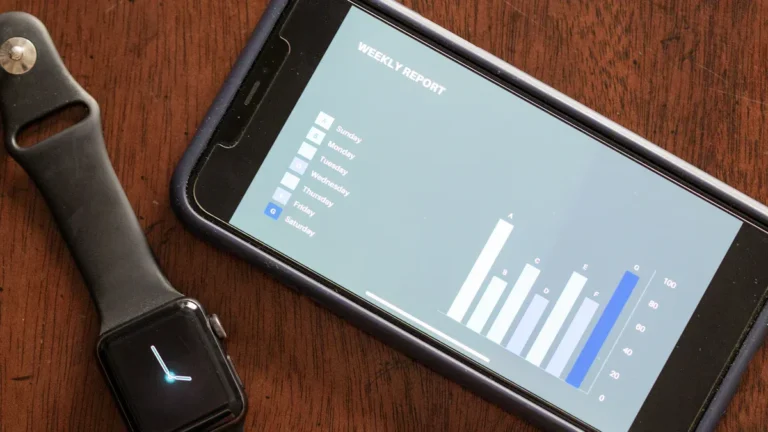
Wearable technology transforms how you approach wellness. With smart wearable devices, you gain real-time data that helps you understand your mental and physical health better. In fact, over 320 million units of smartwatches and fitness trackers shipped globally in 2023, showing how popular these tools have become. They don’t just track your steps; they provide insights that empower you to meet your goals and improve your overall well-being.
Key Takeaways
Wearable technology boosts physical activity by providing real-time feedback. Users can track steps, calories, and heart rate, helping them stay motivated and achieve fitness goals.
These devices support mental health by monitoring stress levels. Real-time data allows users to identify stress triggers and take proactive steps to manage their well-being.
Wearables enhance sleep quality by tracking sleep patterns. Users can make informed adjustments to their routines, leading to better rest and overall health.
Physical Activity

Tracking Goals
Wearable technology plays a crucial role in helping you track your fitness goals. With devices like smartwatches and fitness trackers, you can monitor various metrics such as steps taken, calories burned, and heart rate. This real-time feedback allows you to see your progress instantly, making it easier to stay motivated.
You can set specific targets, like walking 10,000 steps a day or burning a certain number of calories. As you achieve these milestones, you gain a sense of accomplishment that fuels your desire to keep moving. Research shows that participants using wearable devices improved their physical activity by approximately 1,800 extra steps per day. They also walked an additional 40 minutes daily, leading to a reduction of about 1 kg in body weight.
Here’s how wearable tech helps you set and adjust your fitness goals:
Feature | Description |
|---|---|
Tracking Metrics | Devices monitor relevant data like steps, calories, and sleep quality. |
Personalization | You can set goals based on your fitness objectives, such as weight loss. |
Progress Tracking | Wearables collect data to help adjust workouts according to your fitness levels. |
Encouraging Movement
Wearable technology not only tracks your activity but also encourages you to move more frequently. These devices send reminders to get up and move if you’ve been sedentary for too long. This feature can be a game-changer, especially for those with busy lifestyles.
Studies indicate that users of smartwatches are ten times more likely to start a workout regime compared to those without. They are also seven times more likely to remain active after six months. This consistent engagement leads to better health outcomes. For instance, regular use of fitness trackers can increase your weekly moderate-to-vigorous physical activity by nearly 50 minutes.
The real-time feedback from these devices enhances your motivation. When you see your progress, it boosts your self-efficacy and encourages you to push yourself further. Plus, the social features integrated into many fitness trackers allow you to share your achievements with friends, adding a layer of accountability and support.
Mental Health
Stress Management
Wearable technology offers powerful tools for managing stress and anxiety. These devices continuously monitor your physiological responses, providing real-time data that helps you understand how your body reacts to stressors. For instance, many wearables track heart rate variability, which can indicate stress levels. When you notice your heart rate rising, you can take proactive steps to calm down.
Here’s how wearable tech supports your stress management:
Real-time Monitoring: You receive immediate feedback on your body’s stress responses, allowing for timely interventions.
Data-Driven Insights: Over time, wearables collect extensive data, helping you identify patterns and triggers related to your stress.
Personalized Recommendations: Many devices suggest breathing exercises or reminders to take breaks based on your stress levels.
Research shows that using wearables can significantly reduce psychological distress. A study found that frequent use of these devices encourages longer workouts and better self-care, which contribute to improved mental health. The table below summarizes key findings on the impact of wearable technology on stress management:
Finding | Description |
|---|---|
Impact on Psychological Distress | Wearable devices help reduce distress and improve mental health. |
Mediators | Self-care and health perception mediate the relationship between device use and distress. |
Behavioral Changes | Regular use encourages healthier habits, leading to better mental health. |
Sleep Quality
Sleep is crucial for your overall well-being, and wearable technology can help you track and improve your sleep quality. Many devices monitor your sleep stages, providing insights into how long you spend in light, deep, and REM sleep. This information can guide you in making adjustments to your bedtime routine.
In a randomized crossover trial, participants using wearable sleep trackers reported significant improvements in perceived sleep quality. The wearables demonstrated low bias and precision errors in measuring sleep duration, confirming their reliability. Here’s a quick look at how different devices measure sleep:
Device | Measurement Method | Accuracy Notes |
|---|---|---|
Fitbit Charge 4 | Accelerometer + PPG | Tends to overestimate sleep; struggles with distinguishing between sleep and wake periods. |
Garmin Vivosmart 4 | Accelerometer + PPG | Similar issues with overestimation; may not accurately detect subtle changes in sleep architecture. |
WHOOP | Accelerometer + PPG | Provides continuous monitoring; accuracy varies based on body movements during sleep. |
Wearable devices also help you establish better sleep habits. By tracking your sleep patterns, you can identify factors that disrupt your rest, such as late-night screen time or caffeine consumption. This awareness empowers you to make changes that enhance your sleep quality.
Personalized Insights
Data-Driven Recommendations
Wearable technology provides you with personalized insights that can significantly enhance your health journey. These devices continuously monitor vital signs and collect data about your daily activities. Based on this information, they generate tailored recommendations that help you make informed decisions about your health. Here are some key benefits of these data-driven insights:
Continuous monitoring of vital signs
Early detection of health risks
Personalized treatment plans
Real-time data tailored to your health needs
When you act on these recommendations, you can see real changes in your health. For example, wearables encourage proactive engagement, allowing you to set personalized health goals. This motivates you to maintain a healthier lifestyle. You can track your progress towards these goals, which keeps you engaged and promotes positive behavior changes.
User Actions | Description |
|---|---|
Proactive Engagement | You actively seek actionable insights from your wearables. |
Goal Setting | Wearables help you set personalized health goals. |
Progress Tracking | You monitor your progress, encouraging continued engagement. |
Mindfulness Features
Many wearable devices also integrate mindfulness features that support your emotional well-being. These features can help you manage stress and improve your mood. For instance, some wearables monitor your skin conductance and heart rate variability, providing feedback on your emotional state. Here’s how these mindfulness features can benefit you:
Mindfulness Feature | Description | Emotional Well-being Support |
|---|---|---|
Mood Monitoring | Measures physiological responses to gauge your mood. | Helps you understand mood correlations with physical parameters. |
Sleep Monitoring | Tracks your sleep quality and duration. | Improves sleep quality, reducing risks associated with sleep deficiency. |
Stress Relief Tools | Offers techniques to alleviate anxiety and stress. | Directly addresses emotional states and promotes relaxation. |
Research shows that integrating mindfulness features with wearable technology can lead to significant reductions in perceived stress levels. By using these tools, you can enhance your emotional well-being and cultivate a more mindful lifestyle.
Wearable technology offers fantastic benefits for your wellness journey. Here are some key advantages:
Increased physical activity: Users report an average boost of 1,300 steps daily.
Improved dietary habits: Logging meals can double weight loss success.
Enhanced heart health monitoring: Devices track vital signs for better health management.
Explore these devices to take charge of your health!