Have you noticed how wearable technology is taking the health world by storm? With approximately 29% of global consumers owning at least one wearable gadget in 2024, these devices are changing how you track your health. They monitor vital health metrics like heart rate and sleep quality, helping you improve fitness and overall well-being. Recent studies show that wearable devices can accurately track your health, boasting a classification accuracy of 99.34%. This rise in adoption reflects a growing health consciousness among people like you. Curious about the variety of options available? Let’s dive in!
Key Takeaways
Wearable devices help you track vital health metrics like heart rate, sleep quality, and activity levels, empowering you to take charge of your health.
Choosing the right wearable device starts with identifying your health goals. Consider features that matter most to you, such as heart rate monitoring or sleep tracking.
Regular use of wearable devices can boost your health awareness and motivate you to stay active, leading to improved fitness and well-being.
Wearables provide real-time data that can alert you to health changes, promoting preventive care and better communication with healthcare providers.
Older adults, especially those without chronic conditions, can significantly benefit from wearable devices, experiencing increased exercise frequency and better health outcomes.
Wearable Device Types
Fitness Trackers
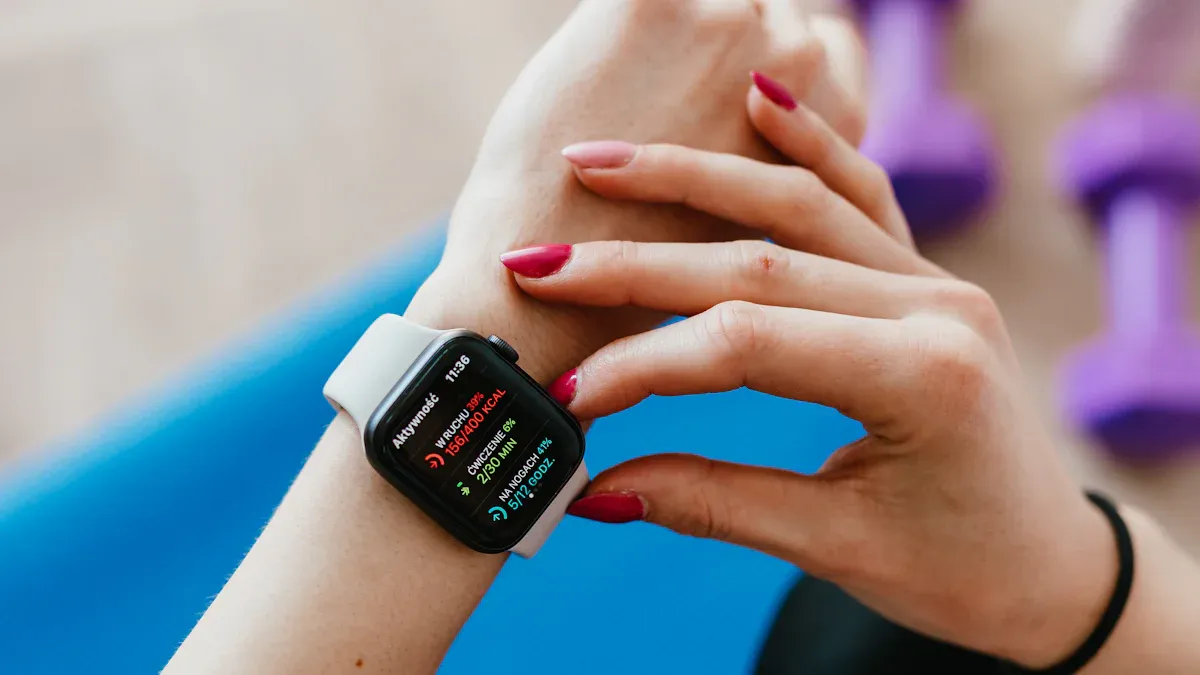
Fitness trackers are popular among those who want to monitor their daily activity levels. These devices typically track steps, heart rate, and even sleep stages. Many fitness trackers also measure blood oxygen saturation (SpO2), giving you a comprehensive view of your health. They are designed to help you stay active and motivated.
Device Type | Key Health Tracking Capabilities |
|---|---|
Fitness Trackers | Step count, heart rate zones, sleep stages (REM, light, deep), blood oxygen saturation (SpO2) |
Smartwatches
Smartwatches combine the functionality of fitness trackers with additional features. They not only track your fitness but also allow you to receive notifications, control music, and even make calls. Many smartwatches and smart rings offer advanced health monitoring capabilities, such as ECG detection and early arrhythmia alerts. This makes them a versatile choice for anyone looking to stay connected while keeping an eye on their health.
Device Type | Functionality |
|---|---|
Smartwatches | Heart rate monitoring, ECG detection, activity tracking, early arrhythmia alerts. |
Health Monitors
Health monitors take tracking a step further. These devices focus on continuous monitoring of vital signs. They can provide real-time data on heart health, glucose levels, and even blood pressure. For instance, continuous glucose monitors (CGMs) offer real-time glucose data for diabetes management without the need for finger pricks. This level of detail helps you manage your health more effectively.
Device Type | Focus |
|---|---|
Health Monitors | Continuous tracking of vital signs (ECG, oxygen saturation, glucose, blood pressure), clinically relevant information |
With so many options available, you can choose a device that best fits your lifestyle and health goals. Whether you want to track your fitness, stay connected, or monitor specific health metrics, there’s a wearable device for you.
Health Monitoring Capabilities
Heart Rate Monitoring
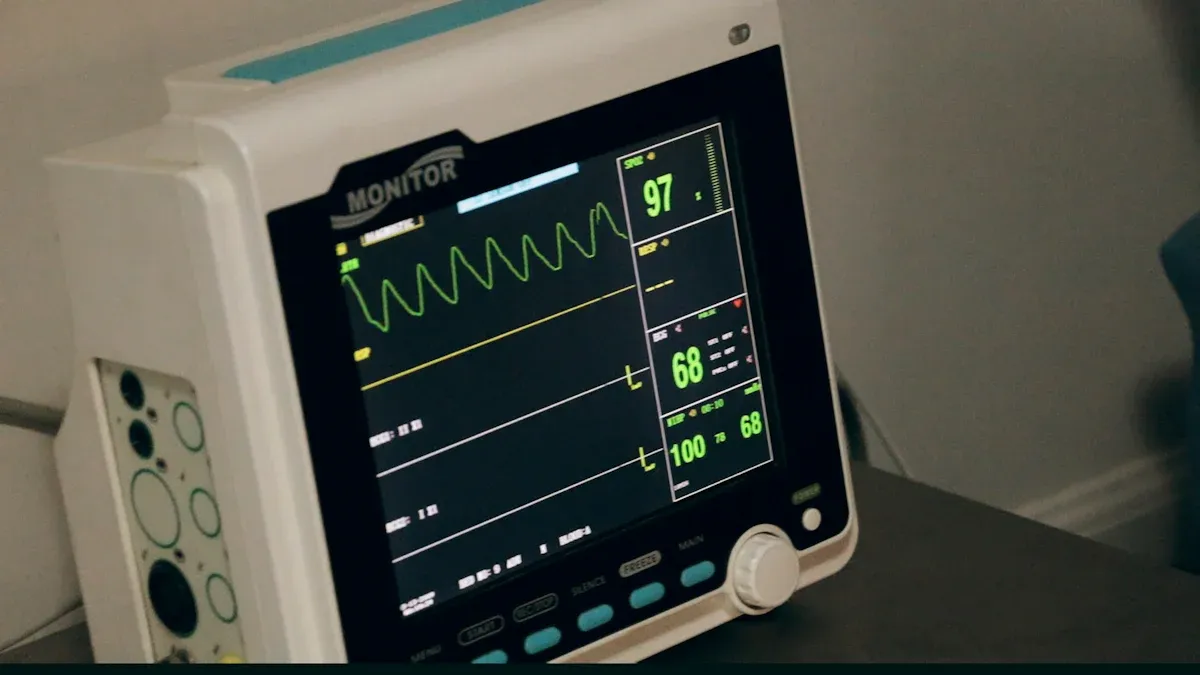
Heart rate monitoring is one of the standout features of wearable devices. These gadgets help you keep an eye on your heart rate throughout the day, whether you’re exercising or just going about your daily routine. Accurate heart rate data can help you understand your fitness levels and detect any irregularities.
Recent studies show that wrist-worn wearables have measurement errors of about ±3% across various devices, including popular brands like Apple and Fitbit. For example, a study by Chevance et al. found a mean bias of -3.39 bpm for Fitbit devices compared to ECG standards. This level of accuracy is crucial for anyone serious about tracking their heart health.
Study | Findings |
|---|---|
Fuller et al. | Wrist-worn wearables show measurement errors of approximately ±3%. |
Irwin and Gary | Five of eight studies on Fitbit Charge 2 reported mean absolute percent error values of <10%. |
Chevance et al. | High-quality review indicated a mean bias of -3.39 bpm for Fitbit devices compared to ECG and other standards. |
Sleep Quality Tracking
Sleep quality tracking is another essential capability of wearable health devices. These gadgets measure various metrics to give you insights into your sleep patterns. They track your breathing rate, heart rate, oxygen levels, body movements, and even noise levels in your bedroom. By analyzing this data, wearables can help you understand how well you sleep and identify factors that may disrupt your rest.
Wearable devices have shown effectiveness in improving sleep quality. Participants often report better sleep quality and reduced disturbance scores. While total sleep duration may not change significantly, these devices can encourage healthier sleep habits.
Activity Tracking
Activity tracking is a fundamental feature of most wearable devices. They help you monitor your daily movements, from steps taken to calories burned. This data is vital for maintaining an active lifestyle. Studies indicate that wearable trackers provide fairly accurate step measurements, although distance and energy consumption can vary based on speed and activity type.
Study | Findings | Measurement Accuracy |
|---|---|---|
Evenson et al. | Step measurement is fairly accurate; distance measurement varies with speed. | Varies by study |
Desilets et al. | Heart rate measurements from fitness trackers were lower than research-grade devices. | Correlation coefficients ranged from .63 to .78. |
Dooley et al. | High accuracy for heart rate but high overestimation for energy consumption. | MAPE 0.16 to 0.84 |
By tracking your activity levels, you can gain insights into your overall health management. Regular engagement in physical activity can mitigate stress and improve mental health. In fact, active individuals have shown lower rates of severe health issues, including chronic diseases.
Metric | Findings |
|---|---|
Physical Activity | Regular engagement mitigates pandemic-induced stress and improves mental health. |
Health Outcomes | Active individuals have 34% lower severe COVID-19 rates and 43% lower mortality. |
Chronic Disease Risk | Insufficient activity linked to a 20%-30% increase in chronic diseases. |
Wearable devices empower you to take charge of your health by providing valuable data on heart rate, sleep quality, and activity levels. By understanding these metrics, you can make informed decisions that contribute to your overall well-being.
Benefits of Wearable Health Devices
Improved Health Awareness
Wearable health devices significantly boost your health awareness. They empower you to take charge of your well-being by providing real-time data about your body. Here are some ways they enhance your understanding of health:
Wearables minimize healthcare impacts on your daily routine.
They reduce the need for in-person appointments, making health management more convenient.
These devices can flag early warning signs, encouraging you to seek timely medical consultations.
Studies show that people who own wearable devices tend to be more physically active than those who don’t. In fact, 65% of users cite fitness and workout monitoring as their main motivation for using these devices. Additionally, 59% of smartphone owners use their devices for health or fitness tracking. This trend highlights how wearables can help you stay engaged with your health.
Motivation for Heart Health
When it comes to heart health, wearable devices serve as powerful motivators. They provide constant feedback, which can inspire you to make healthier choices. Here’s how they help:
You can track your activity levels and set personal goals.
Engaging in friendly competition with peers can encourage positive lifestyle changes.
For example, the mActive trial demonstrated that participants who received personalized coaching via SMS messages increased their daily steps significantly compared to those who didn’t. This shows how wearable devices can effectively motivate you to improve your heart health.
Data-Driven Insights
Wearable health devices offer valuable data-driven insights that can influence your health-related decisions. Here’s how they can help:
Preventive Care: Wearables alert you to changes in health metrics, promoting wellness.
Patient Monitoring: Continuous monitoring of chronic conditions allows for timely interventions by healthcare providers.
Personalized Medicine: AI can tailor treatment plans based on your individual data, enhancing outcomes.
Moreover, real-time data sharing improves communication between you and your doctor, leading to better-informed health decisions. Wearables also enable remote monitoring, allowing doctors to track your health metrics outside of clinical settings. This proactive approach helps identify potential health issues before they escalate, allowing for early intervention.
Choosing the Right Wearable Device
Choosing the right wearable device can feel overwhelming with so many options available. But don’t worry! By focusing on your health goals, evaluating features, and considering your budget, you can find the perfect fit for your lifestyle.
Assessing Health Goals
Start by identifying what you want to achieve with your wearable device. Are you looking to improve your fitness, monitor a chronic condition, or simply track your daily activity? Here are some factors to consider:
Factor | Description |
|---|---|
Device Accuracy | Enhanced accuracy through rigorous testing and regulatory approvals. |
User Compliance | Critical for long-term benefits; consistent use is necessary for effectiveness. |
Cost | Advanced medical-grade devices can be expensive, impacting accessibility. |
Privacy Concerns | Strong privacy frameworks and patient education on data security are essential. |
User-Centric Design | Focus on simplicity and inclusivity to enhance user experience. |
Healthcare Provider Support | Incentives and encouragement from healthcare providers to promote adherence. |
Evaluating Features
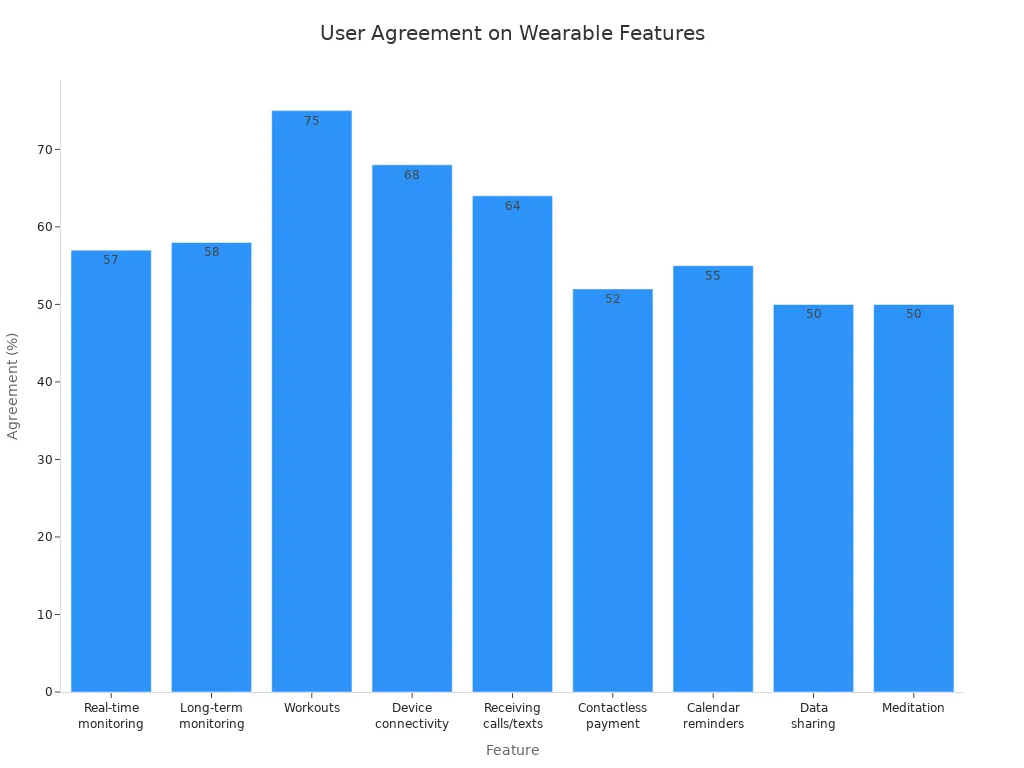
Next, think about the features that matter most to you. Do you want real-time monitoring, heart rate tracking, or notifications for calls and texts? Here’s a quick look at user preferences:
Feature | Agreement (%) | Change Since 2016 (%) |
|---|---|---|
Real-time monitoring | 57% | Decreased |
Long-term monitoring | 58% | Decreased |
Workouts | 75% | N/A |
Device connectivity | 68% | N/A |
Receiving calls/texts | 64% | N/A |
Budget Considerations
Finally, consider your budget. Wearable health devices come in a range of prices. While some basic fitness trackers are affordable, advanced smart wearable healthcare devices can be pricier. Make sure to check compatibility with your smartphone, as some features may only work with specific operating systems.
The primary function of any wearable is its connection to your phone. The best devices offer a rock-solid, low-energy Bluetooth connection that rarely drops. More importantly, they must be compatible with your smartphone’s operating system.
By taking these steps, you can confidently choose a wearable device that aligns with your health goals and fits your budget.
Tracking your health with wearable devices can truly transform your well-being. These gadgets empower you to monitor vital metrics and make informed decisions about your health. As you consider your health goals, think about how these devices can support you in achieving them.
For instance, studies show that older adults benefit significantly from smart wearables, especially those without chronic conditions. They experience increased exercise frequency and improved health outcomes.
Finding | Description |
|---|---|
Age Impact | The benefits of smart wearable devices are more pronounced in individuals aged 70 and above. |
Chronic Disease Status | Older adults without chronic conditions experience greater health improvements. |
Living Arrangements | Those living with their children show more significant health benefits from using these devices. |
Exercise Frequency | Smart wearables increase exercise frequency among older adults, promoting healthier habits. |
Exercise Duration | The devices help users track and maintain exercise duration, leading to better health outcomes. |
By making informed choices about wearable technology, you can enhance your health and enjoy a more active lifestyle. So, why not explore the options available to you today?
FAQ
What are wearable devices?
Wearable devices are gadgets you can wear on your body. They track various health metrics like heart rate, sleep quality, and physical activity. These devices help you monitor your health and improve your overall well-being.
How do I choose the right wearable device?
To choose the right device, consider your health goals. Think about what features matter most to you, like heart rate monitoring or sleep tracking. Also, factor in your budget and compatibility with your smartphone.
Can wearable devices help with chronic conditions?
Yes! Wearable devices can assist in managing chronic conditions by providing real-time data. This information helps you and your healthcare provider make informed decisions about your health.
Are wearable devices accurate?
Most wearable devices offer good accuracy for tracking health metrics. However, some may have slight variations. It’s essential to choose a reputable brand and understand the limitations of each device.
How can I stay motivated to use my wearable device?
Set personal goals and track your progress. Engage in friendly competitions with friends or family. Many devices also offer reminders and challenges to keep you motivated on your health journey.