

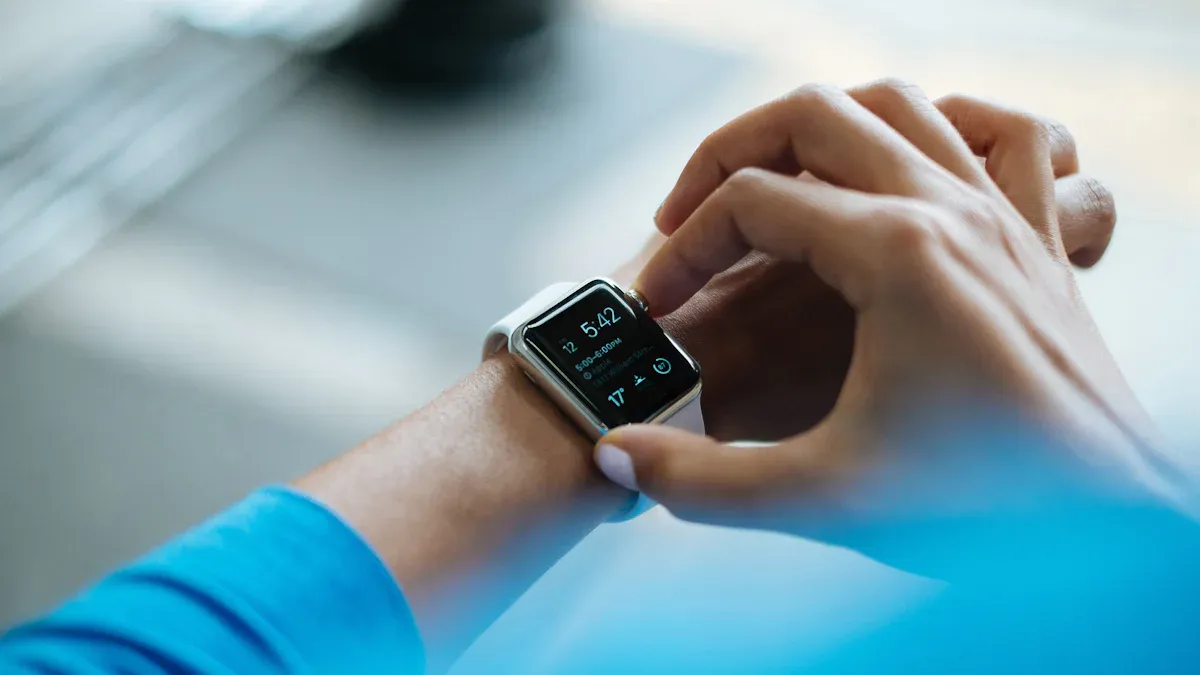
Are you ready to take charge of your fitness journey? Choosing the right fitness tracker can make a big difference in reaching your health goals. With about 21 percent of adults in the U.S. using these devices, it’s clear that many people rely on them to monitor their well-being. Selecting a tracker that fits your unique objectives is essential. With so many options available, making an informed choice is crucial for your success.
Key Takeaways
Define your fitness goals clearly. Knowing what you want to achieve helps you stay focused and motivated.
Assess your current health status before choosing a tracker. This ensures you select a device that meets your specific needs.
Look for essential features like heart rate monitoring and step tracking. These capabilities are crucial for effective fitness tracking.
Consider comfort and style when selecting a tracker. A device that feels good and looks good will encourage regular use.
Ensure your tracker integrates well with health apps. This enhances your experience and helps you monitor your progress effectively.
Health Goals

Defining Objectives
Before you choose a fitness tracker, take a moment to define your fitness objectives. What do you want to achieve? Setting clear goals helps you stay focused and motivated. Here are some common health goals people set when using fitness trackers:
Health Goal | Description |
|---|---|
Increasing Physical Activity | Users aim to enhance their overall activity levels. |
Tracking Steps | A common goal is to reach a specific step count, like 10,000 steps a day. |
Monitoring Exercise Intensity | Users often focus on the intensity of their workouts to improve fitness. |
Fitness trackers simplify the process of setting these goals. You can establish achievable targets, such as daily step counts or calorie burns. Plus, these devices provide continuous feedback and motivation to help you stay on track, even during busy workdays. This feedback can keep you engaged and encourage you to exercise more regularly.
Assessing Health Status
Before selecting a fitness tracker, it’s essential to assess your current health status. Regular health check-ups can provide valuable insights into your well-being. These assessments often include blood pressure measurements, cholesterol screenings, blood glucose tests, and BMI evaluations. Understanding your health helps you tailor your tracker choice to your specific needs.
Using a fitness tracker can enhance your understanding of your health. These devices provide real-time data on various metrics, such as heart rate, sleep quality, and physical activity levels. Some trackers even monitor your pulse and heart rate, giving you insights into your heart health during exercise. Targeting specific heart rate zones can maximize the benefits of your workouts.
By combining your health assessments with the capabilities of a fitness tracker, you can create a personalized approach to achieving your fitness goals.
Fitness Tracker Design
Comfort and Wearability
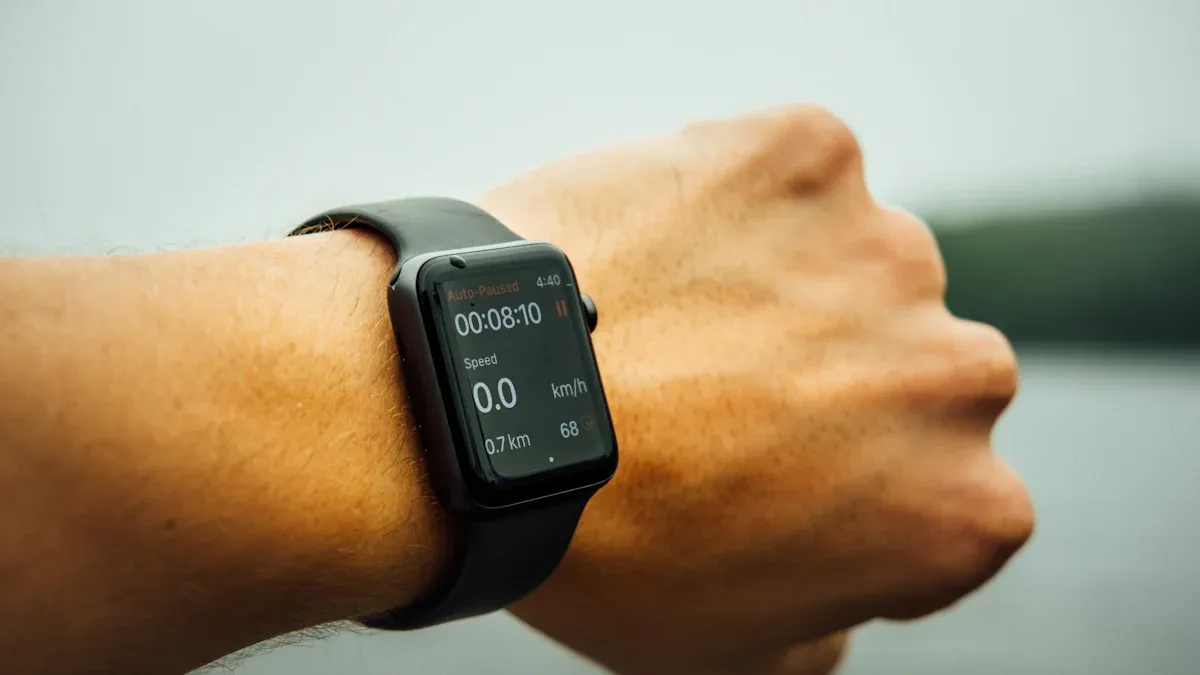
When choosing a fitness tracker, comfort and wearability are crucial. You want a device that feels good on your wrist, especially if you plan to wear it all day. Here are some design factors to consider:
Design Factor | Description |
|---|---|
Prioritize Essential Information | Look for trackers that display crucial data like steps and heart rate clearly. |
Embrace Minimalistic Design | A clean design reduces visual clutter, making it easier to navigate. |
Optimize for Glanceable Interfaces | Ensure the data is legible at a quick glance. |
Simplify Navigation | Choose devices with straightforward navigation to minimize effort. |
Design for Short Interactions | Quick, actionable tasks make it easier to use your tracker. |
Ensure Readability and Accessibility | Large text and high contrast help everyone, including those with visual impairments. |
Many users report discomfort with their devices, which can lead to less consistent use. Ergonomic designs with adjustable bands and lightweight materials enhance comfort for long-term wear. If a tracker feels bulky or irritating, you might not wear it as often as you should.
Style and Aesthetics
Style matters too! You want a fitness tracker that matches your personal taste. Whether you prefer a sleek, sporty look or something more elegant, there’s a tracker for you.
Consider these points when evaluating style:
Versatility: Some trackers blend seamlessly with casual and formal outfits.
Color Options: Look for a variety of colors to express your personality.
Brand Design: Different brands offer unique aesthetics. For example, the Apple Watch is known for its stylish design, while Garmin focuses on performance metrics.
Ultimately, a tracker that you enjoy wearing will encourage you to use it more often. Remember, 60% of users find the Apple Watch to be the most comfortable, while 73% reported discomfort with other models. So, take your time to find a tracker that feels right and looks good!
Key Features of Fitness Trackers
Essential Tracking Capabilities
When you choose a fitness tracker, look for essential tracking capabilities that can significantly impact your fitness journey. Here’s a breakdown of the key features you should consider:
Feature | Why It Matters for Weight Loss | What to Look For |
|---|---|---|
Continuous Heart Rate | This feature provides accurate calorie burn estimates. Without it, your tracker is just guessing based on steps. | An optical sensor that tracks 24/7, especially during exercise and sleep. |
Activity Tracking | It monitors your steps, distance, and active minutes, motivating you to move more and create a consistent calorie deficit. | Reliable step counting and automatic workout detection for activities you do most often. |
Calorie Expenditure | This feature gives you a daily estimate of total calories burned (BMR + active), helping you manage your energy balance. | Look for trackers that combine heart rate data, activity levels, and personal stats (age, weight) for better accuracy. |
Sleep Monitoring | Poor sleep messes with hunger hormones, leading to cravings. Tracking sleep helps you improve rest for better recovery and appetite control. | Devices that break down sleep into stages (Light, Deep, REM) and provide a sleep score. |
GPS (Built-in or Connected) | Essential for accurately tracking distance and pace for outdoor activities like running or cycling, which improves calorie estimates. | Built-in GPS is more convenient, but connected GPS (using your phone) works well and saves battery. |
These features not only help you track your progress but also keep you motivated. For instance, continuous heart rate monitoring ensures you’re working out in the right intensity zone, maximizing your calorie burn.
Additional Features
Beyond the basics, many fitness trackers come with additional features that can enhance your experience. Here are some popular extras to consider:
Feature | Description |
|---|---|
Advanced Health Metrics | Tracks sleep quality, heart rate, blood oxygen levels, and stress levels for comprehensive health insights. |
Real-Time Tracking | Provides instant feedback on workouts, allowing you to adjust your training intensity on the fly. |
Built-in GPS | Enables mapping of routes and tracking of pace and distance without needing additional devices. |
Water Resistance | Ensures durability for various activities, including swimming and outdoor workouts. |
These additional features can make a significant difference in how you approach your fitness goals. For example, advanced health metrics can give you insights into your overall well-being, while real-time tracking allows you to make immediate adjustments during workouts.
Incorporating these features into your fitness routine can lead to better results and a more enjoyable experience. Remember, the best fitness tracker for you is one that aligns with your specific needs and goals.
Compatible Apps for Fitness Trackers
Integration with Health Platforms
When you choose a fitness tracker, consider how well it integrates with health platforms you already use. A seamless connection can enhance your experience and help you track your progress more effectively. Here are some popular health platforms that fitness trackers often integrate with:
Apple Health (HealthKit)
Google Fit
Garmin Connect
Samsung Health
WHOOP
Oura
These integrations allow you to centralize your health data, making it easier to monitor your fitness journey. However, not all trackers connect smoothly with these platforms. Some may face challenges like fragmented data formats or proprietary metrics, which can complicate your experience.
Feature/Challenge | Description |
|---|---|
Seamless Device Integration | Connects over 500 health monitoring devices via a single API, simplifying integration processes. |
Standardized Biometric Models | Harmonizes biometric data streams for consistency across devices, enhancing data usability. |
GDPR-Compliant Infrastructure | Ensures compliance with privacy standards, securing data management and encryption. |
User Experience
User experience plays a crucial role in how you interact with your fitness tracker and its associated apps. A positive experience can motivate you to stay engaged with your fitness goals. Here are some factors that contribute to a great user experience:
Social Influence: The encouragement you feel from friends or family using the same app can boost your motivation.
Hedonic Motivation: Enjoying the app’s features makes you more likely to use it regularly.
Perceived Privacy Protection: Knowing your data is secure can enhance your trust in the app.
However, not all apps deliver a stellar experience. Users have reported mixed feedback on the interface and usability of fitness tracker apps. While some aspects, like UI and UX, receive praise, others, particularly fitness activity tracking, often fall short. In fact, 28.81% of user reviews mentioned positive experiences with UI and UX, while 11.22% rated fitness tracking apps poorly due to usability issues.
To ensure you choose a tracker that meets your needs, look for apps that offer a smooth interface and reliable functionality. Compatibility and data accuracy are key drivers of user satisfaction, so prioritize trackers that integrate well with your preferred health platforms.
Choosing the right fitness tracker can significantly impact your health journey. Here are some key takeaways:
Define Your Goals: Understand what you want to achieve, whether it’s weight loss, improved sleep, or enhanced fitness.
Assess Your Needs: Consider your current health status and choose a tracker that aligns with your objectives.
Evaluate Features: Look for essential tracking capabilities and additional features that suit your lifestyle.
Remember, a tracker is only useful if you wear it consistently. Establish a routine for charging and using your device. Take your time to find a tracker that fits your unique needs. After all, the right choice can motivate you to stay engaged and reach your goals! 🎯
FAQ
What features should I look for in a fitness tracker?
Look for essential features like heart rate monitoring, step tracking, and sleep analysis. Additional features like GPS and water resistance can enhance your experience, depending on your activities.
How do I sync my fitness tracker with my smartphone?
Most fitness trackers sync via Bluetooth. Download the corresponding app, create an account, and follow the prompts to connect your device. Make sure Bluetooth is enabled on your phone.
Can I wear my fitness tracker while swimming?
Many fitness trackers are water-resistant or waterproof. Check the specifications of your device to see if it’s suitable for swimming. This feature allows you to track your workouts in the pool.
How often should I charge my fitness tracker?
Charging frequency depends on the model and usage. Most trackers last between 5 to 7 days on a single charge. Monitor battery life and charge it when it drops to 20%.
Can I use a fitness tracker without a smartphone?
Yes, many fitness trackers can function independently. They store data locally and sync with your smartphone later. However, using the app enhances your tracking experience and provides more insights.
