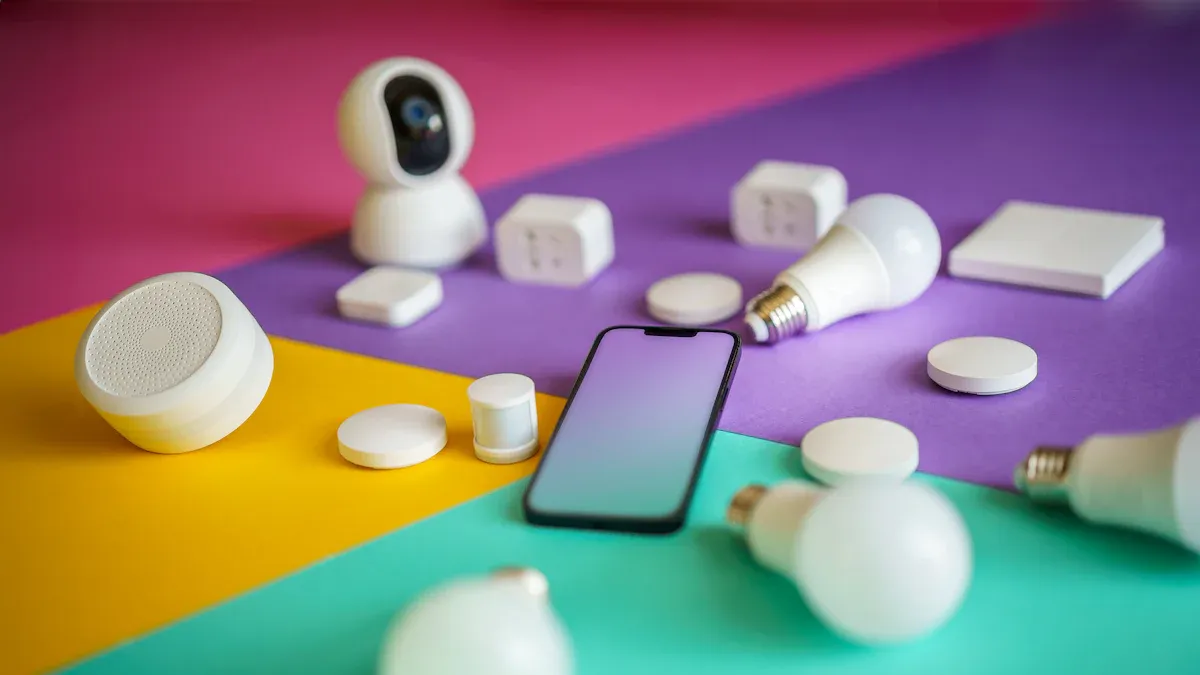
Smart home systems are transforming the way you live. With more households adopting these technologies, you can enjoy greater convenience and control over your environment. In fact, by 2026, experts predict that about 82.1% of households will have smart home systems, generating a staggering $193.5 billion in revenue. Understanding the different types of smart home systems helps you find solutions that fit your lifestyle and enhance your daily living.
Key Takeaways
Home automation enhances convenience with smart lighting, thermostats, and appliances, making daily tasks easier.
Smart security systems, including cameras and locks, provide real-time alerts and remote monitoring to keep your home safe.
Energy management tools like smart meters and plugs help you save money and reduce energy consumption effectively.
Health systems, including wearables and home health devices, support your well-being by monitoring vital signs and improving health management.
Consider which smart home systems align with your lifestyle to create a more comfortable, secure, and efficient living space.
Home Automation
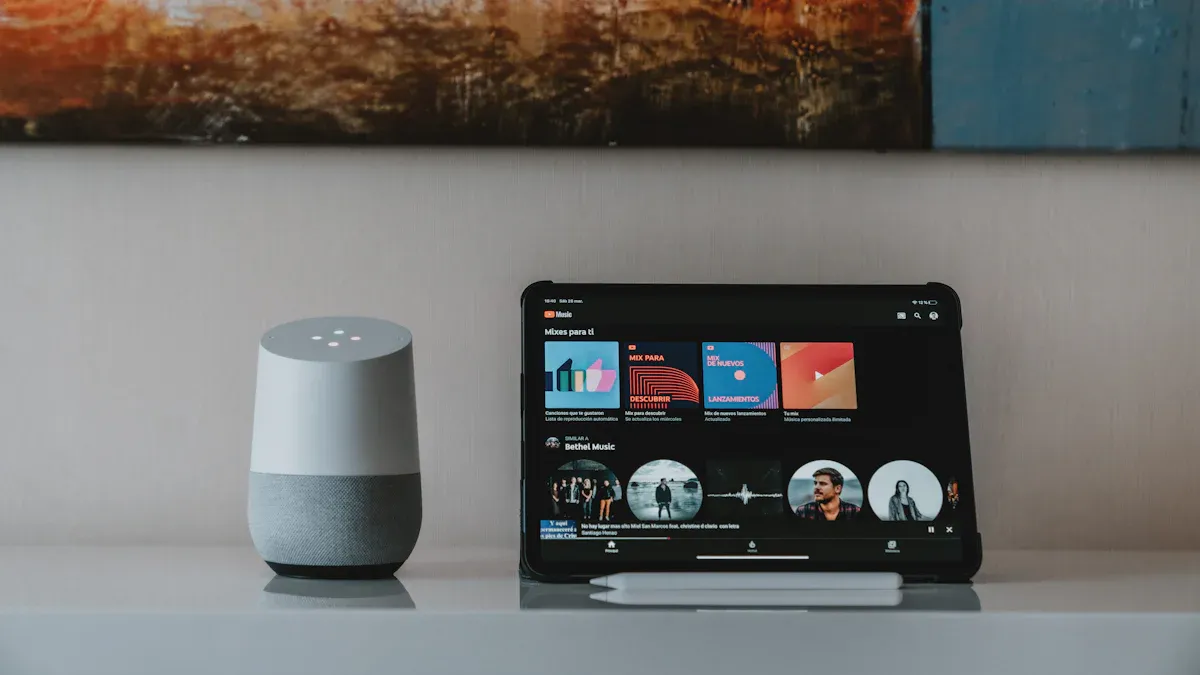
Home automation makes your life easier by allowing you to control various aspects of your home with smart devices. This technology can enhance your comfort, security, and energy efficiency. Let’s dive into some key components of home automation.
Smart Lighting
Imagine walking into a room and having the lights turn on automatically. Smart lighting systems do just that! They allow you to control your lights remotely or set them to turn on and off at specific times. Here are some benefits of smart lighting:
Energy Savings: You can save up to 70% on energy costs by using smart bulbs compared to traditional ones. For instance, LEDs use up to 90% less energy than incandescent bulbs, leading to average annual savings of $225 for households.
Convenience: With automation features, you can schedule your lights to turn on at dusk and off at dawn. This not only saves energy but also enhances security by ensuring your home is well-lit when needed.
Integration with Security: Smart lighting can work with motion sensors to illuminate pathways when someone approaches your home. This feature adds an extra layer of security.
Energy Savings | Description |
|---|---|
40-70% | Expected energy savings from optimized light output using smart lighting compared to traditional CFL or LED bulbs. |
90% | LEDs use up to 90% less energy than traditional incandescent bulbs. |
$225 | Average annual savings for households using LED lighting. |
Smart Thermostats
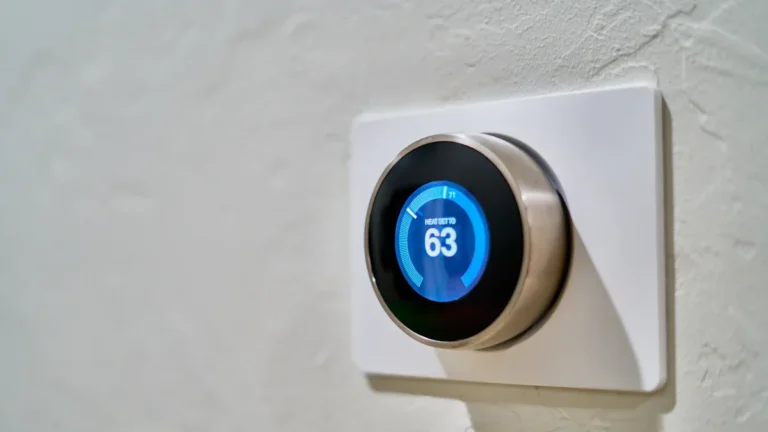
Smart thermostats are another essential part of home automation. They help you maintain a comfortable temperature while saving on energy bills. Here’s how they work:
Energy Efficiency: Smart thermostats can save you about 8% on your utility bills, which translates to around $50 per year. They adjust the temperature based on your daily routine, ensuring you’re comfortable without wasting energy.
Predictive Features: These devices use algorithms to learn your habits. They can automatically adjust the temperature when you leave home or return, leading to savings of up to $180 per year.
User-Friendly: You can control your thermostat from your smartphone, making it easy to adjust settings even when you’re away.
Smart Appliances
Smart appliances are revolutionizing how you manage your household tasks. Here are some popular examples:
Smart Refrigerators: These come with touch screens and internal cameras, allowing you to check your food inventory without opening the door.
Smart Ovens: You can preheat your oven remotely, so it’s ready when you arrive home.
Smart Washers and Dryers: These appliances notify you when cycles are complete, making laundry day more manageable.
With these smart devices, you can enjoy greater convenience and efficiency in your daily life. Plus, many of these appliances integrate seamlessly with voice assistants like Amazon Alexa and Google Assistant, allowing you to control them with simple voice commands.
Feature | Amazon Alexa | Google Assistant |
|---|---|---|
Device Compatibility | Over 100,000 compatible devices from 9,500+ brands | Robust smart home control with Nest integration |
Skills Library | 100,000+ skills for enhanced functionality | Supports intelligent scheduling and automation |
Automation Capabilities | Sophisticated routines with triggers and actions | Advanced voice recognition for multiple users |
By embracing home automation, you can create a more efficient, secure, and enjoyable living environment.
Security Systems
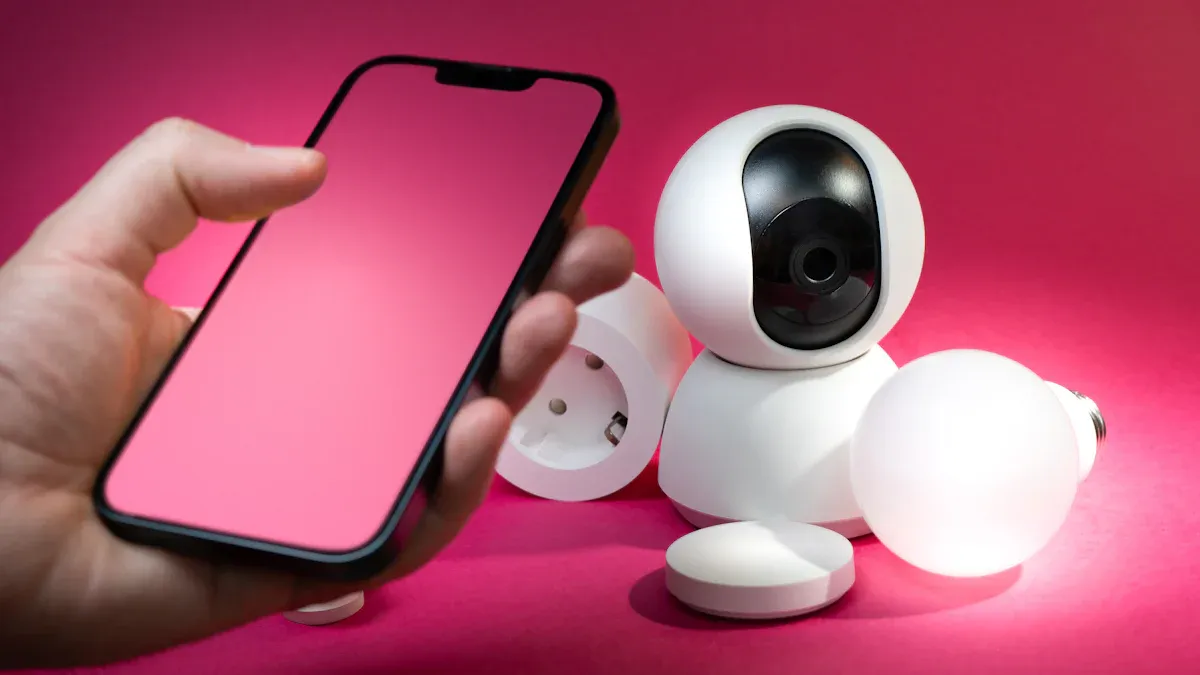
When it comes to protecting your home, smart security systems offer advanced solutions that can give you peace of mind. These systems include smart cameras, smart locks, and motion detectors, each playing a crucial role in keeping your home safe. Let’s explore how these technologies work and what benefits they provide.
Smart Cameras
Smart cameras have revolutionized home security. Unlike traditional cameras, they offer real-time analysis and proactive threat detection. Here are some key features that set them apart:
Enhanced Image Quality: Smart cameras provide high-definition video, ensuring you can see details clearly.
Autonomous Operation: They can operate without constant monitoring, sending alerts directly to your smartphone when they detect movement.
Behavioral Analysis: Some models can learn patterns and distinguish between normal activity and potential threats.
Feature | Smart Cameras | Traditional Cameras |
|---|---|---|
Real-time Analysis | Yes | No |
Proactive Threat Detection | Yes | No |
Enhanced Image Quality | Yes | Limited |
Autonomous Operation | Yes | Requires constant monitoring |
False Alarm Reduction | Yes | No |
Behavioral Analysis | Yes | No |
Scalability | Easier to upgrade | Difficult and costly to upgrade |
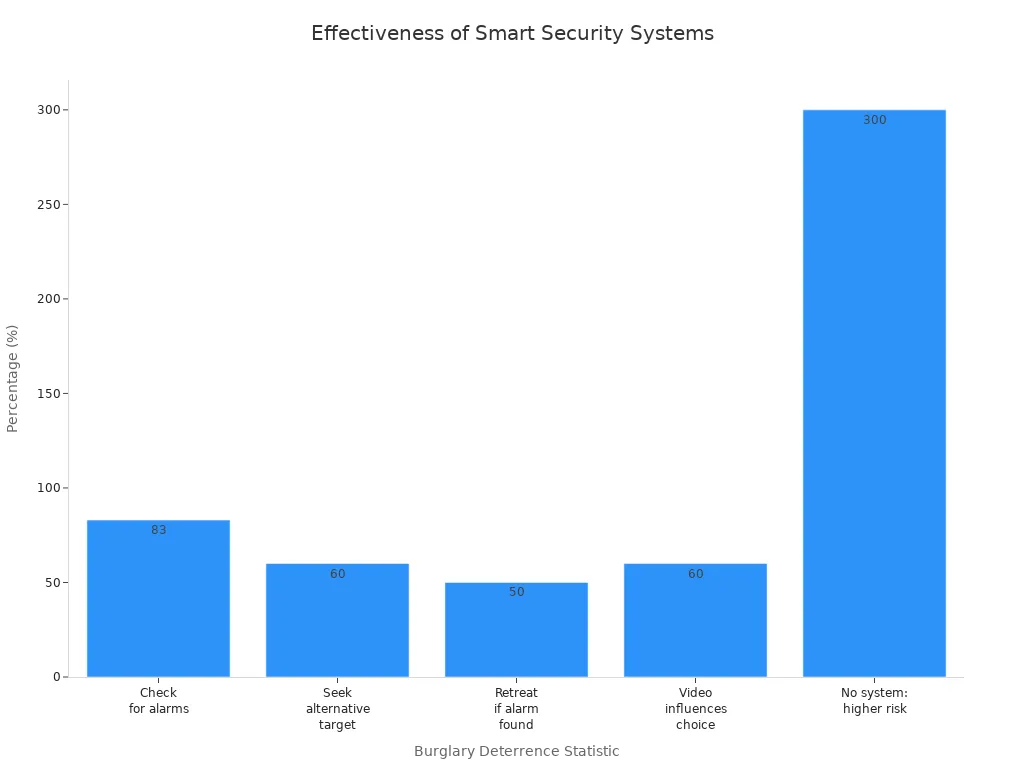
Smart cameras can significantly reduce burglary rates. In fact, statistics show that 83% of burglars check for security alarms before attempting a break-in. If they see a camera, 60% will look for another target. This highlights the importance of having a visible security presence.
Smart Locks
Smart locks enhance your home security by offering features that traditional locks simply can’t match. Here’s how they improve safety:
Keyless Entry: You can unlock your door using a code, fingerprint, or smartphone app, eliminating the need for physical keys.
Remote Access: Control your locks from anywhere, allowing you to let guests in or secure your home while you’re away.
Automatic Locking: Many smart locks can automatically lock after a set time, ensuring you never forget to secure your door.
Feature | Smart Locks | Conventional Locks |
|---|---|---|
Keyless Entry | Yes (code, fingerprint, smartphone) | No (requires physical key) |
Remote Access | Yes (via app) | No |
Automatic Locking | Yes | No |
Guest Access Management | Yes (temporary codes) | No |
Tamper Alerts | Yes | No |
However, it’s essential to be aware of potential vulnerabilities in smart locks. For instance, brute force attacks and Bluetooth hacking can pose risks. Always choose locks from reputable brands that prioritize security.
Motion Detectors
Motion detectors are another vital component of smart home security systems. They serve multiple roles, enhancing both safety and convenience:
Immediate Intrusion Detection: These sensors trigger alarms and notifications when they detect unexpected movement, acting as a first line of defense against intruders.
Enhanced Automation: They can automate home functions like lighting, turning on lights when someone enters a room.
Energy Efficiency: Motion sensors help reduce energy consumption by turning off lights in unoccupied areas.
Role | Description |
|---|---|
Immediate Intrusion Detection | Motion sensors trigger alarms and notifications upon detecting unexpected movement. |
Enhanced Automation | They can automate home functions like lighting and temperature control. |
Energy Efficiency | Motion sensors help reduce energy consumption by turning off lights in unoccupied rooms. |
Customizable Security Zones | Homeowners can set specific monitoring zones to avoid false alarms from areas with frequent activity. |
Remote Monitoring and Control | Integration with smart home apps allows real-time monitoring and alerts sent directly to smartphones. |
By integrating smart home sensors into your security systems, you can create a comprehensive safety net for your home. These technologies not only protect your property but also enhance your daily living experience.
Energy Management
Energy management systems play a crucial role in optimizing your home’s energy use. By using smart technology, you can monitor and control your energy consumption more effectively. Here’s how different components contribute to energy management.
Smart Meters
Smart meters are essential for tracking your energy usage in real-time. They help you understand your consumption patterns and make informed decisions. Here are some key functions of smart meters:
Function | Description |
|---|---|
Real-time energy usage monitoring | You can track your energy consumption as it happens, helping you identify inefficiencies and adjust your habits to save energy and money. |
Enhanced energy efficiency | Smart meters empower you to make informed choices about energy conservation, leading to reduced consumption and lower bills. |
Faster, easier service | Utilities can quickly detect and resolve issues remotely, minimizing inconvenience for you. |
Integration with smart home tech | They facilitate automation and optimization of energy usage through integration with devices like smart thermostats. |
Support for renewable energy | Smart meters aid in integrating renewable sources by providing real-time data, helping manage supply fluctuations. |
Reduced environmental impact | Monitoring and reducing utility demand leads to decreased reliance on older power plants and lower greenhouse gas emissions. |
Energy Monitoring Devices
Energy monitoring devices help you keep an eye on your household energy use. They can identify which appliances consume the most energy, allowing you to make smarter choices. Here are two popular options:
Device Name | Key Features | Price Range |
|---|---|---|
Vue 3 Energy Monitor by Emporia | Monitors main power breaker, add sensors for detailed tracking, integrates with smart devices | $100 (basic), $150-$200 (kits) |
Eyedro Home Energy Monitor | Cost-effective, integrates with solar, lacks appliance-level info | $150 |
Using these devices, you can reduce electricity usage by up to 15%. They alert you to unusual energy consumption, prompting repairs or replacements when necessary.
Smart Plugs
Smart plugs are a simple yet effective way to manage energy use in your home. Here’s how they can help:
Turn appliances on and off remotely, giving you better control over energy usage.
Schedule devices easily, reducing unnecessary power consumption.
Identify and eliminate vampire draw, which refers to energy consumed by devices when they’re not in use.
Enhance home security by simulating occupancy through controlled lighting and appliance use.
Control devices with voice commands, making it easier to manage energy use.
By incorporating these energy management systems into your home, you can save money and reduce your environmental impact. You’ll not only enjoy lower energy bills but also contribute to a more sustainable future.
Health Systems
Smart home technology isn’t just about convenience; it can also significantly improve your health and well-being. Health systems in smart homes include smart wearables, home health devices, and environmental sensors. Let’s explore how these technologies can enhance your quality of life.
Smart Wearables
Smart wearables, like fitness trackers and smartwatches, help you monitor your health in real-time. They track vital signs such as heart rate, sleep patterns, and physical activity. This data empowers you to make informed decisions about your health. For example, if your heart rate spikes during exercise, you can adjust your intensity to avoid overexertion.
Home Health Devices
Home health devices play a crucial role in managing chronic conditions. They provide personalized care and real-time monitoring. Here’s how they can impact your life:
Evidence Description | Impact on Quality of Life |
|---|---|
Personalized and integrated care interventions | Enhances health self-management and social support |
Real-time monitoring and tailored health information | Improves overall quality of life and reduces disability in daily activities |
Reminder functions for medication adherence | Encourages compliance with health interventions |
Supportive feedback environment | Promotes proactive health behaviors and effective condition management |
Facilitation of social connections | Reduces feelings of isolation and enhances social support networks |
These devices can connect with other smart home systems, creating a comprehensive care network. They allow for remote monitoring, which means healthcare providers can keep an eye on your health without needing to visit your home.
Environmental Sensors
Environmental sensors are essential for maintaining a healthy living space. They monitor air quality and safety, ensuring you breathe clean air. Here are some types of sensors you might find in a smart home:
Integrated environmental sensors that capture air quality data
Sensors measuring pollutants like Particulate Matter (PM) and Volatile Organic Compounds (VOCs)
Monitors for gases such as carbon monoxide (CO), carbon dioxide (CO2), and formaldehyde
The air quality index (AQI) helps evaluate air quality by factoring in various pollutants. Keeping track of this information is crucial for your health, especially if you have allergies or respiratory issues.
By integrating these health systems into your home, you can create a safer and healthier environment. You’ll not only improve your well-being but also enjoy peace of mind knowing that technology supports your health journey.
Smart home systems can truly enhance your daily life. Here’s a quick recap of what we covered:
Home Automation: Enjoy convenience with smart lighting, thermostats, and appliances.
Security Systems: Keep your home safe with smart cameras, locks, and motion detectors.
Energy Management: Save money and energy with smart meters, plugs, and monitoring devices.
Health Systems: Improve your well-being with wearables and home health devices.
Take a moment to think about which smart home systems fit your lifestyle. With the right choices, you can create a more comfortable, secure, and efficient home.
FAQ
What is a smart home system?
A smart home system connects devices in your home, allowing you to control them remotely. You can manage lighting, security, and appliances through your smartphone or voice commands.
How do smart home systems improve security?
Smart home systems enhance security with devices like smart cameras, locks, and motion detectors. They provide real-time alerts and remote monitoring, helping you keep your home safe.
Can I integrate different brands of smart devices?
Yes! Most smart home systems support various brands. Look for devices compatible with platforms like Amazon Alexa or Google Assistant for seamless integration.
Are smart home systems energy-efficient?
Absolutely! Smart home systems help you monitor and control energy use. Devices like smart thermostats and plugs can significantly reduce your energy bills.
Do I need a professional to install smart home devices?
Not necessarily! Many smart devices are designed for easy DIY installation. However, complex systems may benefit from professional help to ensure proper setup.