Smart home devices are rapidly becoming a staple in modern households, with a global market value projected to reach $154.4 billion by 2024. As of 2023, around 16% of households worldwide have embraced these technologies, with over 90% of people in China owning one or more smart devices. However, this convenience comes with risks. A staggering 57% of users express concerns about their privacy. To truly protect your privacy, you must take proactive steps to secure your data.
Key Takeaways
Change default passwords to strong, unique ones to enhance security.
Enable Multi-Factor Authentication (MFA) for an extra layer of protection.
Regularly update your device firmware to fix vulnerabilities and improve security.
Use a separate guest network for smart devices to limit access to your main network.
Review privacy policies to understand how your data is collected and shared.
Privacy Risks

Data Collection
Smart home devices collect various types of data to function effectively. This data includes:
Data Type |
|---|
Motion |
Voice |
Temperature |
Location |
Personal Identifiable Information |
These devices gather information about your daily habits, preferences, and even your location. While this data helps improve your experience, it also raises significant privacy concerns. Many users do not realize that their data can be shared with third parties, leading to potential risks.
Data Misuse
The misuse of data collected by smart home devices can have serious consequences. For instance, unauthorized access to your personal information can lead to identity theft or even blackmail. A recent case highlights this risk. In the case of Mitchell v. Ramlow, a smartwatch with tracking capabilities was used for stalking. This incident shows how easily someone can exploit smart technology for harmful purposes.
Moreover, if a data breach occurs, you may face various risks, including:
Privacy violations
Physical security risks
Reputational damage
Emotional distress
Understanding these risks is crucial. By being aware of how your data can be misused, you can take steps to protect yourself. Always consider the implications of using smart home devices and stay informed about their privacy policies.
Secure Your Devices
Strong Passwords
Creating strong passwords is one of the most effective ways to secure your smart home devices. Here are some tips to help you create passwords that are hard to guess:
Length: Aim for at least 12 characters. Longer passwords are generally stronger.
Variety: Use a mix of uppercase letters, lowercase letters, numbers, and symbols.
Avoid common words: Steer clear of easily guessable words or phrases, like “password” or “123456.”
No reuse: Use unique passwords for different accounts. This way, if one password gets compromised, your other accounts remain safe.
Consider using a password manager. This tool can help you create and store strong passwords, making it easier to manage multiple accounts without the risk of forgetting them.
Multi-Factor Authentication
Multi-factor authentication (MFA) adds an extra layer of security to your smart home devices. It requires you to provide two or more verification factors to gain access. This makes it much harder for someone to break into your accounts. Here are some common types of multi-factor authentication:
Retinal scans
Fingerprint recognition
Voice recognition
Facial recognition
Security tokens
Gesture-based authentication
Behavioral biometrics
By enabling multi-factor authentication, you significantly reduce the chances of unauthorized access. Even if someone manages to guess your password, they would still need the second factor to gain entry.
Remember to regularly change your passwords and update your authentication methods. This practice helps prevent an attack and keeps your devices secure.
Common Mistakes to Avoid
Many users make mistakes that can compromise their security. Here are some common pitfalls to watch out for:
Not changing default settings, such as passwords and privacy settings.
Connecting all devices to the same Wi-Fi network, which increases vulnerability.
Ignoring update notifications, leaving devices exposed to security vulnerabilities.
By avoiding these mistakes and following the tips above, you can better protect your smart home devices and your personal information.
Protect Your Privacy with Network Security
Secure Network Setup
A secure network is essential for protecting your smart home devices. When you set up your Wi-Fi network, follow these steps to enhance your security:
Activate the guest network included with your router. This network has its own password and is listed separately in available networks.
Rename the guest network and set a strong password that differs from your main Wi-Fi password.
Connect all your IoT devices to the guest network.
In addition to these steps, consider the following tips to secure your Wi-Fi:
Change your router login username and password to something long and unique.
Regularly check for router firmware updates.
Change the default SSID to something non-identifiable.
Use WPA3 or WPA2 AES encryption for your Wi-Fi.
Disable remote management and WPS to enhance security.
Disable Universal Plug and Play (UPnP) to prevent malware spread.
Store your router in a secure physical location to prevent unauthorized access.
By implementing these practices, you can significantly reduce the risk of attack on your smart home devices.
Firewall Protection
Firewalls play a crucial role in protecting your home security. They act as barriers between your devices and potential threats from the internet. A well-configured firewall can help keep your smart home devices safe. Here are some benefits of using firewalls:
Separate IoT networks enhance security by isolating vulnerable devices from critical systems. If a smart device is compromised, the attacker is limited to the guest network, protecting more valuable devices.
Segmentation acts as a ‘firewall by design,’ reducing the risk of lateral movement within the network. Even with a zero-day exploit, the entire home network remains secure if devices are properly segmented.
Recent advancements in firewall technology, such as the Heights Cyber Dome, transform home gateways into secure devices. This technology continuously monitors for vulnerabilities and provides real-time threat prevention. It ensures protection against advanced cyber attacks, including zero-day threats and sophisticated malware.
To maximize your firewall’s effectiveness, consider these practices:
Implement firewall rules to control traffic between network segments.
Restrict IoT devices from initiating connections to the primary network.
Prohibit guest network devices from accessing internal resources.
Conduct regular security audits to identify vulnerabilities in the network.
By focusing on network security and using firewalls effectively, you can protect your smart home devices and maintain your privacy.
Manage Your Data
Privacy Policies
Understanding privacy policies is essential when using smart home devices. These documents explain how companies collect, use, and share your data. Here are some steps to help you review privacy policies effectively:
Identify what data is collected: Smart home devices often gather significant amounts of data. Know what information is being collected and how it is used.
Look for third-party sharing: Check if your data is shared with other companies. This can lead to privacy concerns.
Stay informed about updates: Regularly review privacy settings and permissions for your devices. This helps you detect any changes that may affect your privacy.
Remember, understanding the fine print in privacy policies is crucial for informed consent. You should know how to detect secret recordings from your smart devices.
Data Sharing
Data sharing practices vary among smart home device manufacturers. Here’s a table summarizing common obligations regarding user data:
Obligation | Description |
|---|---|
User Access | Users must have access to all data generated by the use of a smart device. |
Machine-readable Format | Data must be provided in a structured, commonly used, and machine-readable format. |
Data Transfer | Users should be allowed to transfer data to third parties of their choice. |
Transparency | Users must be informed about what data will be generated and how it can be accessed before entering into a contract. |
Compliance with Data Protection | Any data containing personal information must comply with GDPR and other regulations. |
To limit data sharing, consider these practices:
Use strong, unique passwords for each device and enable two-factor authentication.
Regularly update device firmware to apply security patches.
Review and adjust device permissions to limit data tracking and sharing.
Set up a separate guest Wi-Fi network for smart devices to enhance security.
Limit device permissions and data collection: IoT devices often ask for more permissions than they need. Be intentional about the permissions you grant to your smart devices.
Understanding device vulnerabilities is also important. Common vulnerabilities include weak passwords, insecure networks, and outdated components. By being aware of these issues, you can take steps to protect your privacy.
Ongoing Protection Practices
Regular Updates
Regular updates are vital for maintaining the security of your smart home devices. Manufacturers often release updates to fix vulnerabilities and improve functionality. Here are some best practices for keeping your devices secure:
Best Practice | Description |
|---|---|
Change Default Passwords Immediately | Create strong, unique passwords for every device and use a password manager. |
Keep Your Devices Updated | Regularly check for updates and subscribe to notifications for security patches. |
Enable Encryption | Use devices that support encrypted data transmission and secure protocols like HTTPS or WPA3. |
Segment Your Network | Place IoT devices on a separate network and create firewall rules to restrict access. |
Purchase Devices from Reputable Vendors | Choose manufacturers with a strong security track record and commitment to updates. |
By following these practices, you can detect potential security breaches early and protect your personal information.
Built-in Security Features
Many smart home devices come with built-in security features that enhance your protection. Here are some common features you should look for:
Automated Scheduling: Program appliances to simulate occupancy, making it appear that someone is home.
Visibility with Smart Lights: Colorful lights can deter burglars and create the illusion of presence.
Automatic Software Upgrades: Regular updates help maintain security against vulnerabilities.
Multi-factor Authentication: This adds an extra layer of security by requiring multiple verification methods.
Professional Installation and Support: Proper setup and ongoing maintenance can address security threats effectively.
These features can significantly reduce the risk of unauthorized access to your devices. Educating all household members about these features is essential. Make sure everyone understands the importance of not sharing passwords and the risks of downloading unverified applications.
By implementing regular updates and utilizing built-in security features, you can create a safer smart home environment.
Protecting your privacy with smart home devices is essential in today’s digital age. You should take proactive steps to secure your data and understand the risks involved. Here are some key practices to follow:
Change default passwords to strong, unique ones.
Enable Multi-Factor Authentication (MFA) for added security.
Regularly update your device firmware.
Stay informed about new developments in smart technology. As Jonathan Feniak notes, the demand for devices that ensure personal data protection will grow. By being vigilant, you can enjoy the benefits of smart home devices while safeguarding your privacy.
Remember, your actions today can significantly impact your privacy tomorrow.
FAQ
What are smart home devices?
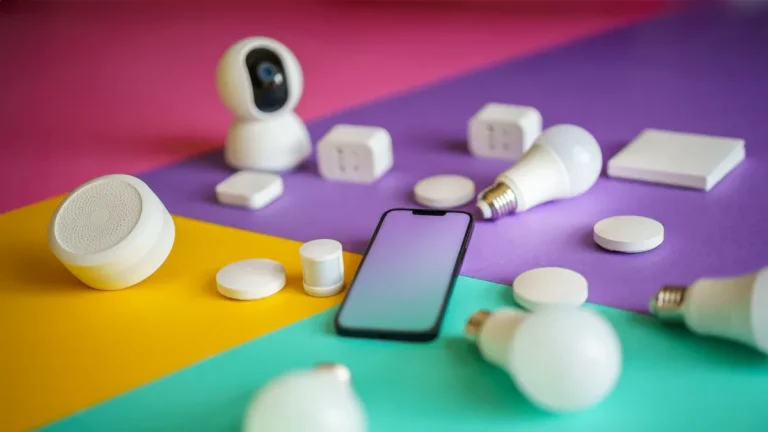
Smart home devices are gadgets that connect to the internet and allow you to control them remotely. They include items like smart speakers, thermostats, cameras, and lights. These devices enhance convenience and efficiency in your daily life.
How can I secure my smart home devices?
To secure your smart home devices, use strong passwords, enable multi-factor authentication, and regularly update firmware. Additionally, set up a separate guest network for your devices to limit access to your main network.
What data do smart home devices collect?
Smart home devices collect various data types, including your location, voice commands, and daily habits. This information helps improve functionality but can pose privacy risks if not managed properly.
How can I limit data sharing with smart home devices?
You can limit data sharing by reviewing privacy settings, adjusting permissions, and opting out of data collection where possible. Always read privacy policies to understand how your data is used.
Why is network security important for smart home devices?
Network security is crucial because it protects your devices from unauthorized access and cyber threats. A secure network prevents hackers from exploiting vulnerabilities in your smart home devices.