Artificial Intelligence (AI) is changing devices and reshaping the way you interact with technology. With around 86 million monthly users on desktop alone, AI tools are becoming integral to your daily life. By 2030, the market for AI changing devices in consumer technology is set to exceed $100 billion, highlighting its growing importance.
AI Changing Devices Today
Historical Context
Artificial intelligence has a rich history in consumer technology. It began as a concept in science fiction but quickly transitioned into reality. The first notable example of AI integration in consumer devices appeared in 1998 with the introduction of Furby. This robotic pet could respond to touch, sound, and light, and it even learned language over time. In 2011, Apple launched Siri, a virtual assistant that uses natural language processing to interact with users through voice commands. These early innovations laid the groundwork for the AI changing devices we see today.
Here’s a quick overview of these milestones:
| Year | Device | Description |
|---|---|---|
| 1998 | Furby | The first widely successful domestic robotic pet that responds to touch, sound, and light, and can ‘learn’ language over time. |
| 2011 | Siri | A virtual assistant integrated into iOS that uses natural language processing to interact with users through voice commands, adapting to individual preferences. |
Current Trends
Today, AI technologies have become integral to consumer technology. You can find AI in various devices, from smartphones to smart home gadgets. The current trends in AI changing devices include:
- Enhanced Communication: AI-powered answering assistants improve how you communicate. They can manage calls and messages, making your interactions smoother.
- Personalized Experiences: Devices now analyze your behavior to offer tailored recommendations. For instance, smart TVs suggest shows based on your viewing history.
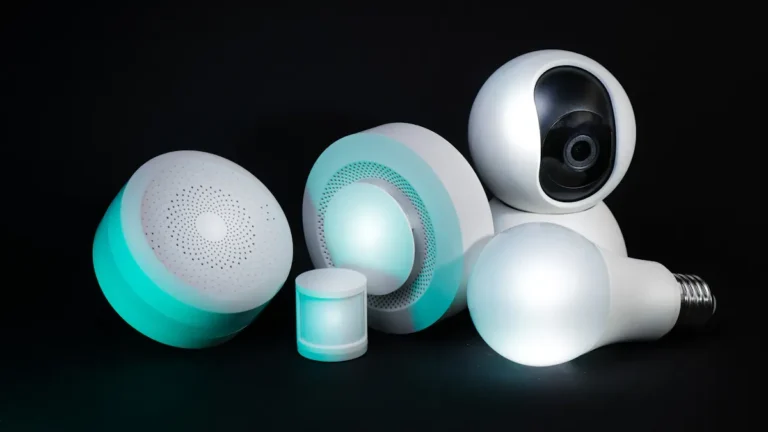
- Smart Home Integration: AI enables devices like security cameras and lighting systems to adjust settings based on your routines. This automation enhances convenience and security in your daily life.
- Wearable Technology: Devices like the Apple Watch and Fitbit use AI for real-time health insights, helping you monitor your fitness goals effectively.
The evolution of AI has led to hyper-personalized user experiences. Devices adapt to your preferences in real time, making technology more intuitive. As AI continues to advance, you can expect even more innovative features in the consumer technology landscape.
Summary of Current Trends
- AI has transitioned from a concept to an essential part of consumer electronics since the 1990s.
- Advancements in machine learning and edge computing have significantly enhanced device capabilities.
- AI algorithms now enable devices to analyze user behaviors and make intelligent decisions.
- Smart home devices showcase practical applications of AI in everyday life.
- The emergence of predictive and generative AI systems transforms how value is created in the consumer products sector.
As you explore the latest devices, keep an eye out for these AI features. They not only enhance functionality but also improve your overall experience with technology.
User Experience Enhancements
Smart Home Applications
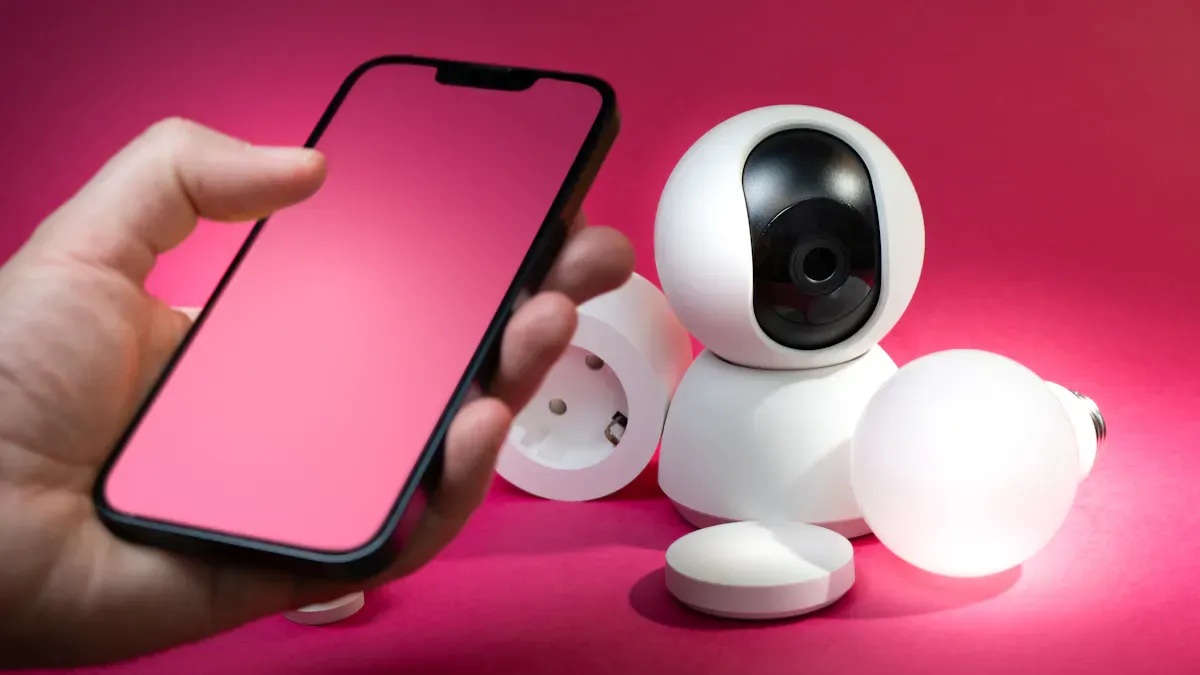
AI significantly enhances your experience with smart home devices. These applications automate tasks and improve convenience. For instance, AI-powered environments allow devices to learn your habits and adjust settings accordingly. Here are some leading AI technologies in smart home applications:
| AI Technology | Description |
|---|---|
| Voice Control | Integration of voice-controlled assistants into home devices for hands-free operation. |
| Predictive Home Automation | AI predicts user behavior to adjust heating, cooling, and lighting automatically. |
| Security Innovations | Use of facial recognition and anomaly detection for enhanced home security. |
| Interoperability | Standardization of protocols for easier installation and upgrades of smart home systems. |
| Health Monitoring Integration | Sensors track health data and provide insights or alerts within home automation systems. |
You can find AI in various smart home devices, such as smart speakers, thermostats, and security cameras. These devices work together to create a seamless experience, making your home more efficient and secure.
Personalized Interactions
AI also personalizes your interactions with technology. Devices learn your preferences and habits, offering tailored experiences. For example, smart thermostats adjust settings based on your daily routines. AI-powered voice assistants like Amazon Alexa and Google Assistant interpret your commands accurately, enhancing usability. Other examples include:
- Smart TVs that recommend shows based on your viewing history.
- Fitness trackers that provide customized health advice based on your activity.
- Wearable tech like the Apple Watch that suggests breathing exercises during stressful moments.
These personalized experiences make technology more intuitive and user-friendly, allowing you to enjoy a more connected lifestyle.
Benefits and Challenges of AI
Advantages for Consumers
AI integration in consumer devices offers numerous benefits that enhance your daily life. Here are some key advantages:
| Benefit | Description |
|---|---|
| Enhanced User Experiences | AI algorithms improve interactions by analyzing user behavior and making intelligent decisions. |
| Personalized Interactions | AI delivers tailored experiences based on individual data, enhancing satisfaction. |
| Increased Convenience | Smart devices automate tasks, making daily life easier and more efficient. |
AI-powered devices also contribute to energy efficiency and cost savings. For example, smart appliances optimize energy usage, which reduces waste and lowers utility bills. Machine learning algorithms in smart thermostats adapt to your household routines, enhancing overall efficiency. This adaptability not only improves convenience but also leads to significant cost savings for you.
Potential Drawbacks
While AI brings many advantages, it also presents challenges that you should consider. Here are some frequently cited concerns regarding AI in consumer devices:
- Over 50% of AI leaders cite regulatory monitoring and infrastructure control as major challenges.
- Trust in AI systems is a significant concern, with nearly half of consumers hesitant to use AI due to doubts about its accuracy and data security.
- Many consumers prefer human involvement in key purchasing moments, despite AI’s potential for efficiency.
Privacy risks also arise from AI-powered devices. These risks stem from data collection vulnerabilities, cybersecurity threats, and flawed model designs. Sensitive data collection can lead to privacy infringements, especially when personal data is repurposed for AI training without explicit user consent. Surveillance systems can create detailed behavioral profiles, raising ethical concerns.
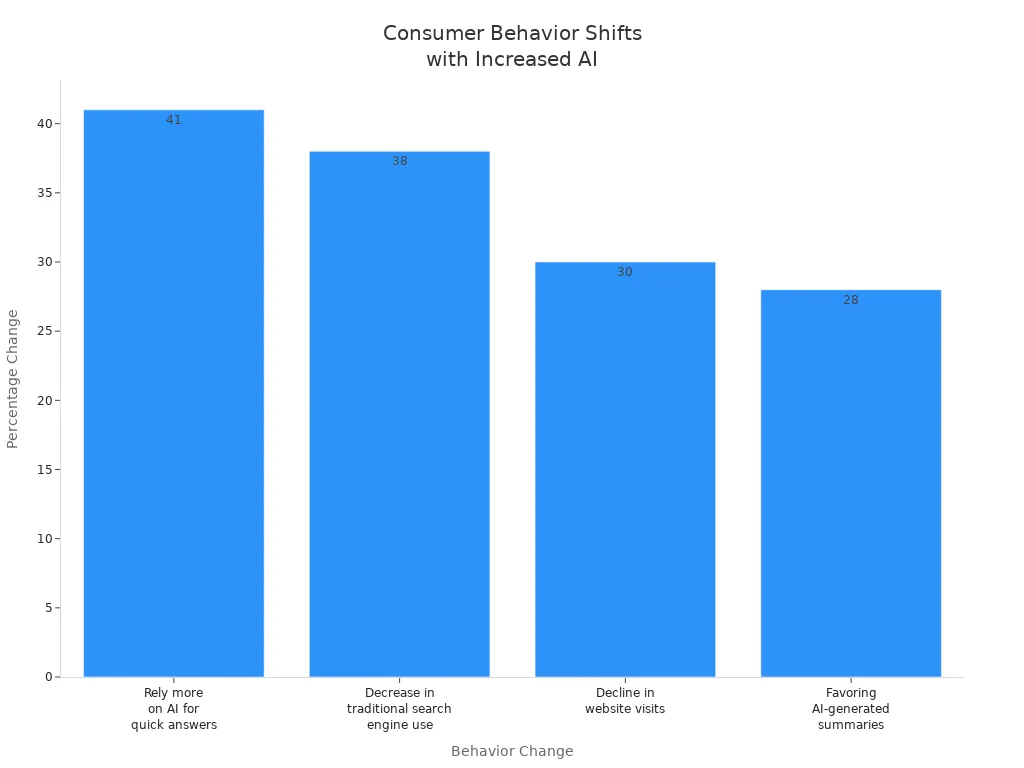
As consumer behavior shifts, you may find yourself relying more on AI for quick answers. A recent study showed a 41% increase in reliance on AI for information, while traditional search engine use declined by 38%. This shift indicates a growing comfort with AI, but it also highlights the need for trust in these systems.
AI transforms your interaction with consumer devices. It enhances convenience, personalization, and efficiency. As technology evolves, you can expect even more innovative features. Embrace these advancements to improve your daily life. Stay informed about AI trends to make the most of your devices.